

Malaysia says Myanmar to take back 5,000 Rohingya refugees
Summarized and contextualized by DistantNews.
At a glance
News
Named sources
New plan
- Myanmar has agreed to accept 5,000 Rohingya refugees from Malaysia, Prime Minister Anwar Ibrahim announced.
- The repatriation is a rare push for refugees who fled Myanmar during a 2017 military crackdown.
- Malaysia, which is not a signatory to the Refugee Convention, hosts over 215,000 refugees, including more than 126,000 Rohingya.
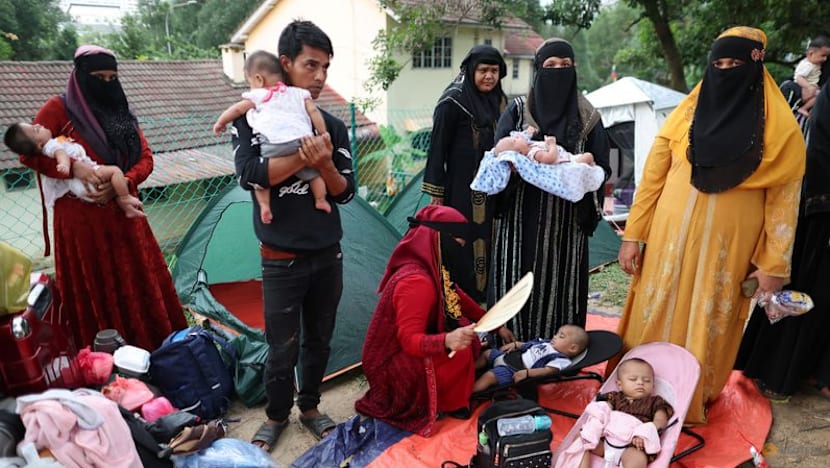
Myanmar has agreed to repatriate 5,000 Rohingya refugees from Malaysia, Prime Minister Anwar Ibrahim announced Wednesday. This rare repatriation effort comes days after Malaysian authorities detained over 100 Rohingya refugees.
Malaysia is home to more than 215,000 refugees, with the Rohingya minority forming the largest community. "People ask why we do not simply send them back. Send them where? Myanmar had refused to accept them before," Anwar said, according to local media. "Now, because of our good relations with Myanmar, they have agreed to take back 5,000 from Malaysia."
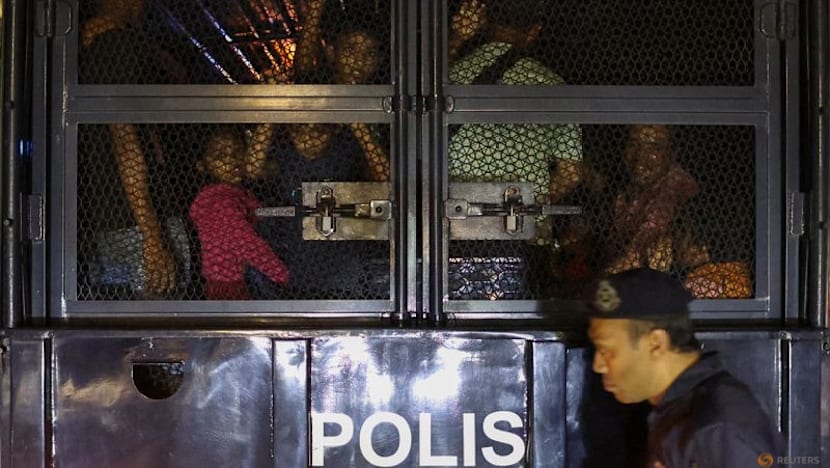
The announcement follows the detention of more than 100 Rohingya refugees outside a UN refugee agency facility in Kuala Lumpur. A Rohingya rights group stated the refugees sought shelter after facing eviction threats from an informal settlement. Officials later confirmed the detainees had valid UN documentation and have since been released and sent to various locations in Malaysia.
Despite sheltering a large refugee population, Malaysia is not a signatory to the 1951 Refugee Convention and does not formally recognize refugee status. The Rohingya, a mostly Muslim group, fled Myanmar in 2017 amid a brutal military crackdown, an event now subject to a genocide case at the UN's top court.
People ask why we do not simply send them back. Send them where? Myanmar had refused to accept them before. Now, because of our good relations with Myanmar, they have agreed to take back 5,000 from Malaysia.
DistantNews Editorial
Originally published by CNA. Summarized and contextualized by our editorial team with added local perspective. Read our editorial standards.
More Stories


From Our Blog

What Gets Lost (and Found) When News Is Translated

The Critical Role of Diaspora Media in Global News

What Travellers Should Know About Countries with Restricted Press

A Digital Nomad's Guide to Following Local News

How the Same Story Looks Different in Different Countries
