


Malaysia to Strengthen All School Types, Including Vernacular
Translated from Malay, summarized and contextualized by DistantNews.
At a glance
News
Named sources
Context piece
- The Malaysian government will continue to strengthen the development of all types of schools, including vernacular schools, to ensure no student is left behind.
- Education Minister Fadhlina Sidek stated that the commitment is crucial for national unity, emphasizing that education is a common ground.
- The government has allocated significant funds for the development and maintenance of Tamil vernacular schools (SJKT) and Chinese vernacular schools (SJKC) as part of a long-term national education plan.
The Malaysian government is reinforcing its commitment to developing all school types within the national education system, including vernacular schools, while upholding their status. Education Minister Fadhlina Sidek stressed that this approach is vital to ensure no student is excluded or denied quality education, regardless of their school type or background.
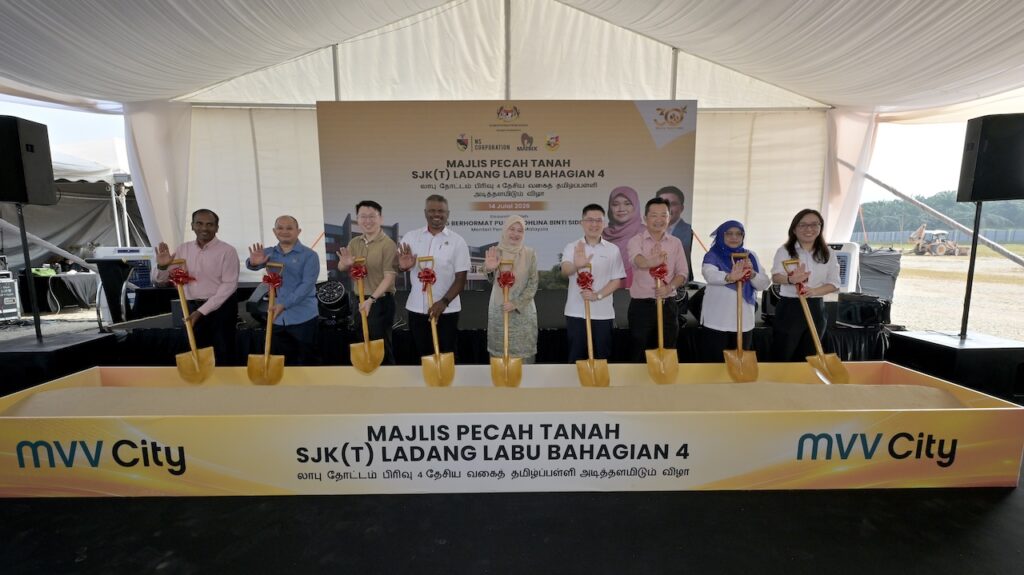
"We defend vernacular schools in Parliament because, for the Madani Government, vernacular schools will continue to be defended based on the Education Act," Fadhlina stated. She emphasized that national schools, Chinese vernacular schools (SJKC), and Tamil vernacular schools (SJKT) all require attention, as education serves as the unifying foundation. "We cannot have any of our children left behind, denied, or marginalized in the context of education. That is why education must be a priority for all," she added during the groundbreaking ceremony for the construction of SJK(T) Ladang Labu.
We defend vernacular schools in Parliament because, for the Madani Government, vernacular schools will continue to be defended based on the Education Act.
The minister highlighted that expanding educational access requires more than just policy; it necessitates continuous investment in school development and student welfare. Through collaborations with the Yayasan Didik Negara (YDN) and the Malaysian Indian Transformation Unit (MITRA), the government has allocated RM25.8 million for the Madani Furniture Initiative in 362 SJKTs, provided smartboards for 388 SJKTs, and launched the Kalvi Madani Program to aid students from B40 families. Additionally, RM30 million is earmarked for constructing additional blocks in SJKTs needing them, and RM20 million for maintenance work in national-type secondary schools (SMJK) based on requirements.
This comprehensive approach aims to empower every school, enabling students to learn in safer, more conducive, and quality environments. The development of schools is integrated into the nation's long-term planning under the Malaysia Education Plan 2026-2035, which prioritizes quality education access for all students, irrespective of their location or background.
We cannot have any of our children left behind, denied, or marginalized in the context of education. That is why education must be a priority for all.
DistantNews Editorial
Originally published by Utusan Malaysia in Malay. Translated, summarized, and contextualized by our editorial team with added local perspective. Read our editorial standards.
More Stories



From Our Blog

What Gets Lost (and Found) When News Is Translated

The Critical Role of Diaspora Media in Global News

What Travellers Should Know About Countries with Restricted Press

A Digital Nomad's Guide to Following Local News

How the Same Story Looks Different in Different Countries
