

Malaysia won't add to national debt, PM says
Translated from Malay, summarized and contextualized by DistantNews.
At a glance
News
Sources not specified
Context piece
- Malaysia's Prime Minister Anwar Ibrahim stated the government will not increase national debt, despite current debt ratios decreasing.
- He explained that while debt ratios have fallen, the country still faces significant interest payments on old debts, including those from 1MDB, Tabung Haji, and Felda.
- Anwar highlighted that past administrations' investment decisions and mismanagement led to the current financial burden, forcing the present government to settle these commitments.
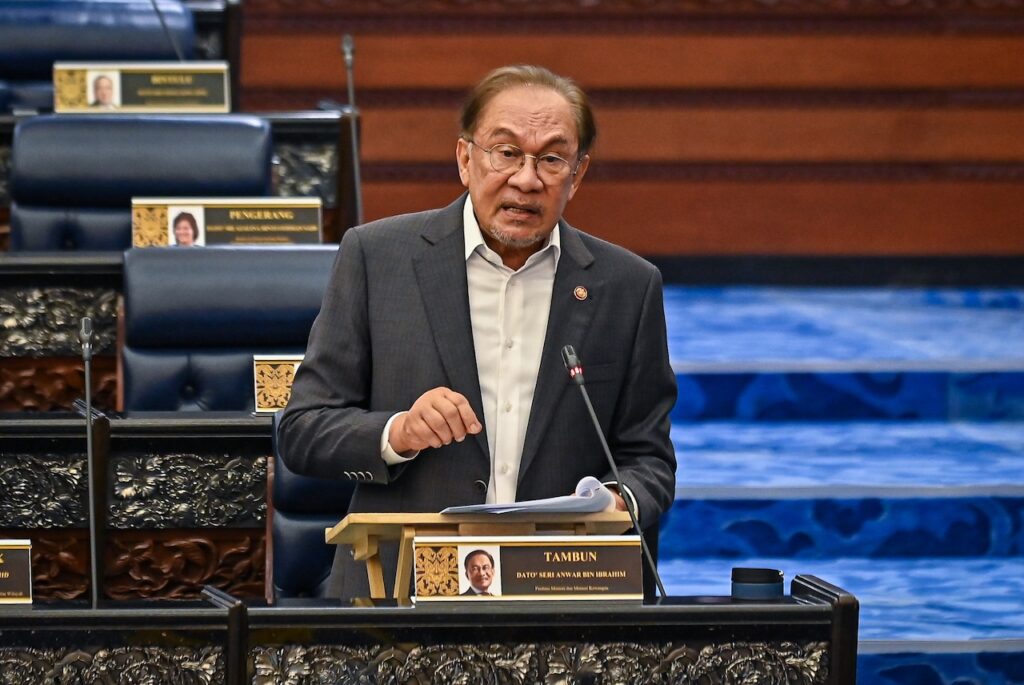
Prime Minister Anwar Ibrahim declared that Malaysia's government will not add to the nation's debt, even as existing debt ratios decline. He clarified that while the debt-to-GDP ratio has decreased, the country remains burdened by substantial interest payments on past borrowings.
I do not want to continue increasing the country's debt. Some say government debt is increasing. The reality is, the government's debt ratio to GDP is decreasing, but the amount of debt repayment is still high because we still have to pay interest on debts incurred previously.
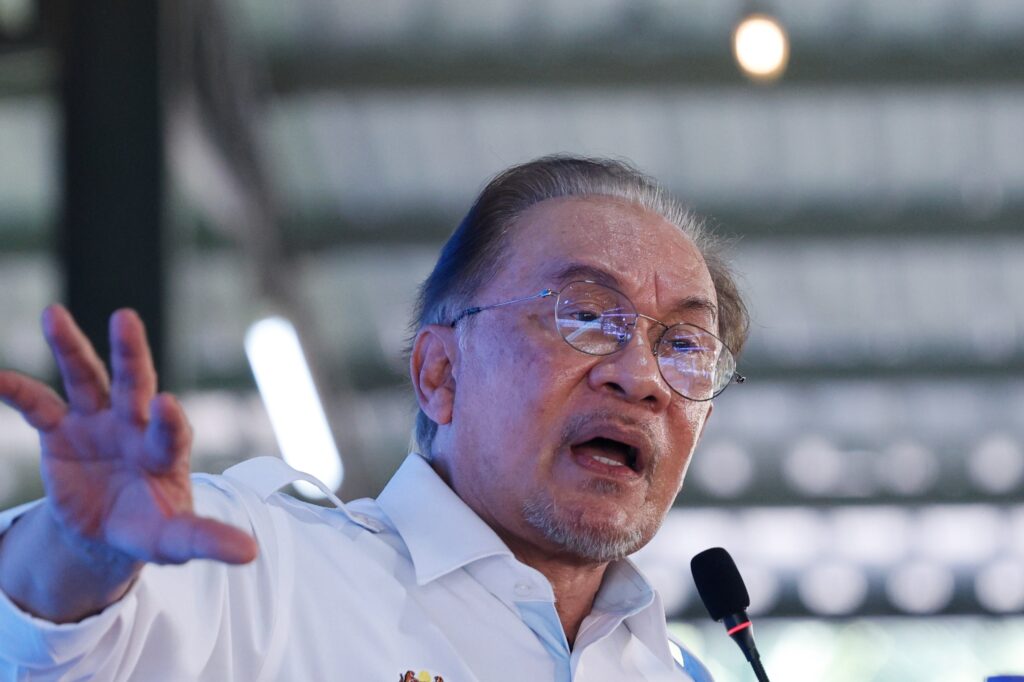
Anwar, who also serves as Finance Minister, pointed to liabilities from entities like 1Malaysia Development Berhad (1MDB), Lembaga Tabung Haji (TH), and Felda as contributing to the ongoing financial strain. "I do not want to continue increasing the country's debt," he stated during a session with civil servants in Selangor. "Some say government debt is increasing. The reality is, the government's debt ratio to GDP is decreasing, but the amount of debt repayment is still high because we still have to pay interest on debts incurred previously."
The Prime Minister elaborated that the current administration is grappling with significant financial burdens stemming from investment decisions and mismanagement by previous governments. He cited instances of asset purchases at prices far exceeding their actual value, such as a hotel bought for RM400 million when its real worth was estimated at around RM160 million. "I know because the report reached me. When I took over, I had to resolve it," he said, adding that selling the asset now might yield only about RM100 million.
I know because the report reached me. When I took over, I had to resolve it. Now we want to sell it again, it might only be worth around RM100 million. That's the reality.
Anwar acknowledged that discussing these past issues might displease some, but stressed the necessity of addressing them. "Will I be popular when I talk about this? Of course not. People get angry. They say don't bring up old stories. But who has to pay now? The current government," he asserted. He also noted the government's commitment to Felda, which amounts to nearly RM1 billion annually, as another example of the financial weight inherited.
Will I be popular when I talk about this? Of course not. People get angry. They say don't bring up old stories. But who has to pay now? The current government.
DistantNews Editorial
Originally published by Utusan Malaysia in Malay. Translated, summarized, and contextualized by our editorial team with added local perspective. Read our editorial standards.
More Stories
From Our Blog

What Gets Lost (and Found) When News Is Translated

The Critical Role of Diaspora Media in Global News

What Travellers Should Know About Countries with Restricted Press

A Digital Nomad's Guide to Following Local News

How the Same Story Looks Different in Different Countries
