



Malaysian Football Association at Crossroads Over AFC Statute Reforms
Translated from Malay, summarized and contextualized by DistantNews.
At a glance
News
Sources not specified
New plan
- Malaysia's Football Association (FAM) will hold an Extraordinary General Meeting (EGM) to decide on proposed changes to its statutes by the Asian Football Confederation (AFC).
- The proposed changes aim to strengthen governance, transparency, and democratic practices within FAM, including reducing nomination requirements for the president and allowing expert representatives on the executive committee.
- The FAM's decision will significantly impact the long-term direction of football administration reform in the country, with potential implications for its international reputation and commitment to modern governance principles.
The future of Malaysian football's administrative structure hangs in the balance as the Football Association of Malaysia (FAM) prepares for an Extraordinary General Meeting (EGM) today. The central question among observers is whether FAM's affiliates will fully embrace or partially approve the Asian Football Confederation's (AFC) proposed 94 articles for a new draft statute.
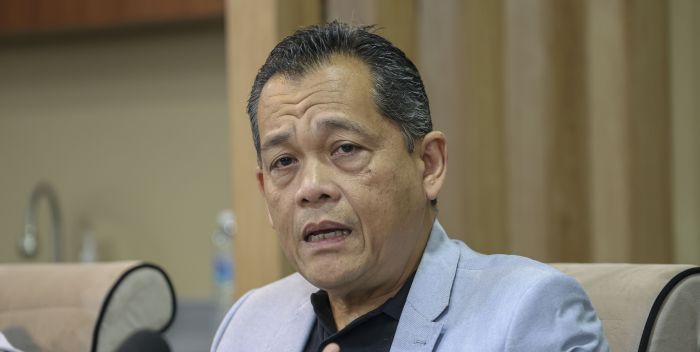
Any decision made will undoubtedly shape the long-term trajectory of football administration reform in the nation. Sports and commercial lawyer Nik Erman Nik Roseli suggests FAM should accept the AFC's recommendations, believing they will bolster governance, transparency, and democratic practices. Notable proposed changes include lowering the nomination requirement for the FAM President from six to four candidates, thereby broadening the field for leadership contests. Additionally, allowing expert representatives from groups like coaches, players, and referees to join the FAM Executive Committee could foster more comprehensive decision-making.
"Previously, I said six nominations for FAM President was too high. Now, fewer nominations are a good step because there are fewer obstacles to compete. I believe the issue before was that candidates were disqualified before they could even contest," Nik Erman stated. However, he expressed reservations about automatically granting the Vice President 2 position to the Malaysian Football League (MFL) chairman. Nik Erman argued that the MFL should function as a liaison between the league and FAM, not hold a permanent seat in the top leadership structure.
The core issue, however, transcends the AFC's specific proposals. It now hinges on the affiliates' readiness to accept the suggested changes. Full adoption of the AFC's articles could signal FAM's commitment to modern governance principles aligned with international football bodies. It might also reduce perceptions of unofficial barriers limiting competition for top FAM positions. Conversely, if only partial approval is granted, FAM must provide robust justifications proving that rejected amendments do not undermine the ongoing reform objectives.
What draws particular attention is the potential rejection of several key AFC proposals. While each affiliate holds democratic rights, dismissing proposals deemed crucial by the AFC could raise questions about FAM's willingness to pursue comprehensive institutional renewal. From a reputational standpoint, accepting the AFC's suggestions could enhance FAM's standing, whereas selective adoption might invite scrutiny regarding the depth of its reform commitment.
Previously, I said six nominations for FAM President was too high. Now, fewer nominations are a good step because there are fewer obstacles to compete. I believe the issue before was that candidates were disqualified before they could even contest.
DistantNews Editorial
Originally published by Utusan Malaysia in Malay. Translated, summarized, and contextualized by our editorial team with added local perspective. Read our editorial standards.
More Stories


From Our Blog

What Gets Lost (and Found) When News Is Translated

The Critical Role of Diaspora Media in Global News

What Travellers Should Know About Countries with Restricted Press

A Digital Nomad's Guide to Following Local News

How the Same Story Looks Different in Different Countries
