


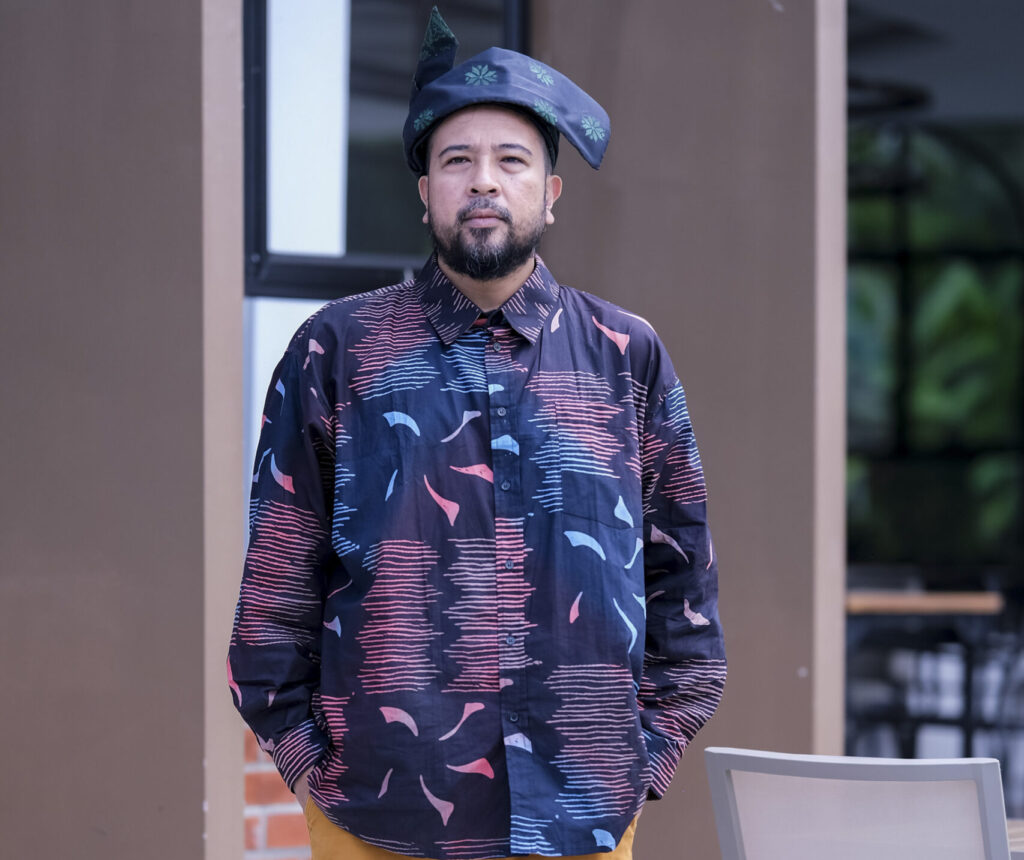
Malaysian mainstream music overly influenced by Indonesian songs, says singer Loque
Translated from Malay, summarized and contextualized by DistantNews.
At a glance
News
Sources not specified
Context piece
- Malaysian mainstream music is overly influenced by songs from across the strait, leading to a decline in local musical identity, according to singer Loque.
- Loque criticizes the preference for Indonesian language and music, arguing that it overshadows Malaysia's own rich linguistic and artistic heritage.
- He suggests that non-mainstream bands are currently the true guardians of Malaysian musical identity, while mainstream artists often adopt foreign trends.
Singer Loque, whose real name is Khairil Ridzwan Anuar, has voiced strong concerns about the Malaysian mainstream music industry's excessive reliance on songs from neighboring countries, lamenting the erosion of local musical identity. He observes that many young Malaysians, particularly Generation Z, are increasingly consuming music from Indonesia, placing local composers under pressure to produce comparable hits.
I most cannot accept when some parties claim that the language from across the strait is more natural and creative, whereas our own classical language has many that have become extinct due to disuse.
Loque finds it particularly disheartening when some claim that the Indonesian language is more natural and creative, especially when Malaysia's own classical language is fading due to disuse. He argues that while personal preferences for foreign music are valid, the absence of local artists championing their own language in music is a missed opportunity. Loque recalls his own past efforts to use creative terminology in his music, which were deemed too complex by audiences, only for similar concepts to be readily accepted when presented by Indonesian artists, highlighting a clear double standard.
"Most of our mainstream singers today seem to still look towards songs from across the strait," Loque stated, adding that non-mainstream bands like Marga Satwa, Mafidz, and Iqbal M are currently the true advocates for Malaysian language and identity in music. He believes the problem is exacerbated by local songwriters abandoning proper Malay in favor of foreign-inspired poetic styles, making the national language appear devalued for musical expression.
A thousand times a pity, most of our mainstream singers today seem to still look towards songs from across the strait.
According to Loque, this pervasive "inferiority complex" and constant comparison with others contribute to the stagnation of the Malay language in music. He notes that many opt for a "rojak" (mixed) language, believing it sounds more stylish and carries higher status. "Youngsters today feel the Indonesian language is more beautiful and profound when singing, even though our language is also poetic, but we ourselves don't want to use it. We prefer to use mixed language, try to be someone else, and in the end, all this boils down to our own mentality problem," he explained. He contrasts this with Indonesia, where national pride fuels the daily use and advancement of their language in music, while Malaysians often feel the need to incorporate English words to appear fashionable.
Youngsters today feel the Indonesian language is more beautiful and profound when singing, even though our language is also poetic, but we ourselves don't want to use it.
DistantNews Editorial
Originally published by Utusan Malaysia in Malay. Translated, summarized, and contextualized by our editorial team with added local perspective. Read our editorial standards.
More Stories



From Our Blog

What Gets Lost (and Found) When News Is Translated

The Critical Role of Diaspora Media in Global News

What Travellers Should Know About Countries with Restricted Press

A Digital Nomad's Guide to Following Local News

How the Same Story Looks Different in Different Countries
