


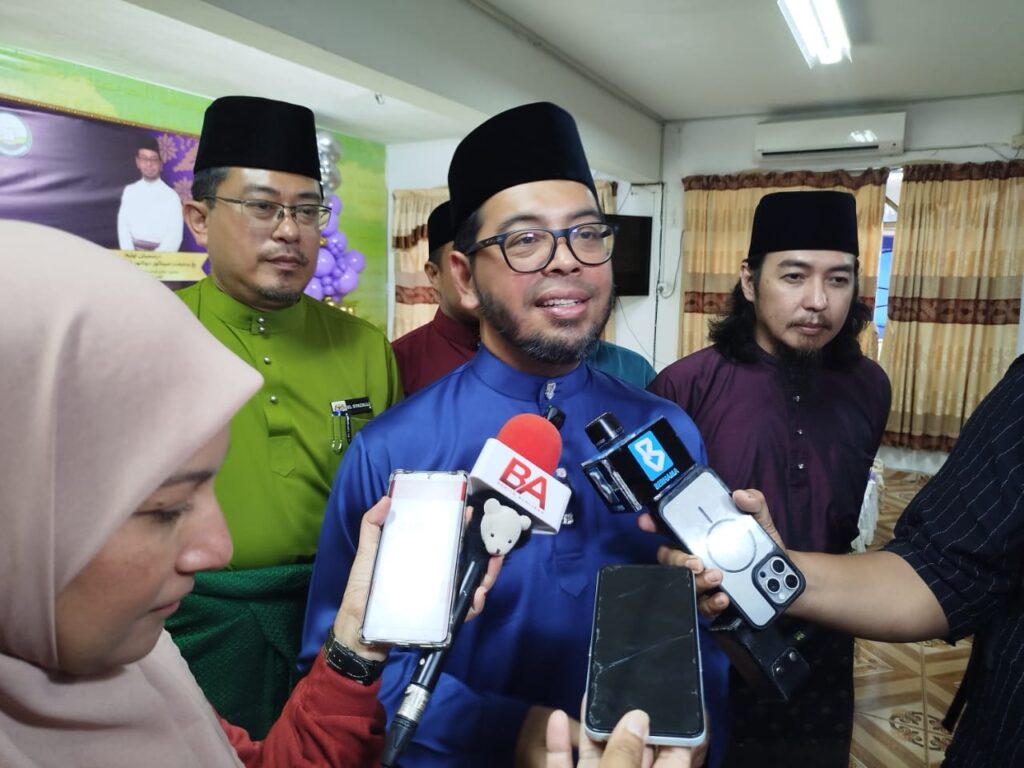
Malaysian Minister: Arts Must Follow Islamic Ethics
Translated from Malay, summarized and contextualized by DistantNews.
TLDR
- Malaysia's Minister in the Prime Minister's Department (Religious Affairs), Dr. Zulkifli Hasan, stated that Islamic art and entertainment are permissible as long as they adhere to Islamic guidelines and morals.
- He emphasized the desire for more high-quality artistic works that comply with Sharia law and Islamic ethics.
- Hasan's remarks followed a controversy over a theatrical performance at Universiti Malaya that included an inappropriate scene, prompting an apology from the university.
The Malaysian government, through Minister Dr. Zulkifli Hasan, has reiterated its stance on the permissibility of arts and entertainment within the framework of Islamic teachings. Speaking from Kuala Kangsar, the Minister stressed that Islam does not inherently forbid artistic expression or enjoyment, provided it remains within the bounds of Sharia law and Islamic morality.
We want to bring a new narrative where we are thirsty for good works.
This clarification comes in the wake of a recent controversy surrounding a theatrical performance at Universiti Malaya, which reportedly featured an objectionable scene. The university has since issued an apology and pledged to uphold program guidelines. Minister Hasan's comments aim to guide the narrative, encouraging the creation of more wholesome and ethically aligned artistic works.
So we want more (to create works), but must follow the guidelines that comply with Sharia law and also comply with the Islamic morals that we want.
Utusan Malaysia, as a publication reflecting national sentiments, highlights this statement to assure the public that the pursuit of arts and culture can coexist with religious values. The emphasis is on producing content that is not only creative but also morally sound, contributing positively to society while respecting Islamic principles. This approach seeks to foster a cultural landscape that is both vibrant and virtuous.
Islam does not prohibit creating works or seeking entertainment, but there are limits and references.
DistantNews Editorial
Originally published by Utusan Malaysia in Malay. Translated, summarized, and contextualized by our editorial team with added local perspective. Read our editorial standards.
More Stories

From Our Blog

What Gets Lost (and Found) When News Is Translated

The Critical Role of Diaspora Media in Global News

What Travellers Should Know About Countries with Restricted Press

A Digital Nomad's Guide to Following Local News

How the Same Story Looks Different in Different Countries
