


Maligned Molds Are Actually Beneficial Beings
Translated from Korean, summarized and contextualized by DistantNews.
At a glance
In-depth
Named sources
Context piece
- Fungi, often perceived as unpleasant, play vital roles in ecosystems and human life.
- These organisms, classified as neither plants nor animals, decompose matter, produce essential substances like penicillin and vitamins, and are crucial for processes like bread making and alcohol fermentation.
- From breaking down plastics to aiding in the development of medicines and supplements, fungi are indispensable 'final cleaners' of nature.
Fungi, commonly associated with unpleasantness like mold in bathrooms, are essential to life on Earth. These organisms, which include yeasts, molds, and mushrooms, form a distinct biological kingdom separate from plants and animals. They are classified as eukaryotes, possessing a nucleus within their cells, similar to humans, but unlike bacteria which are prokaryotes.
Fungi are not plants or animals, but form a third kingdom of life.
Unlike plants that rely on photosynthesis for energy, fungi are heterotrophs. They obtain energy by decomposing organic matter around them. For instance, yeast converts glucose into alcohol and carbon dioxide, a process vital for baking bread and fermenting beverages. In nature, fungi act as decomposers, breaking down dead trees and leaves, thus playing a critical role in nutrient cycling. Some fungi even possess the remarkable ability to degrade plastics, earning them the title 'final cleaners' of nature.
Fungi decompose surrounding organisms to obtain energy, making them heterotrophs.
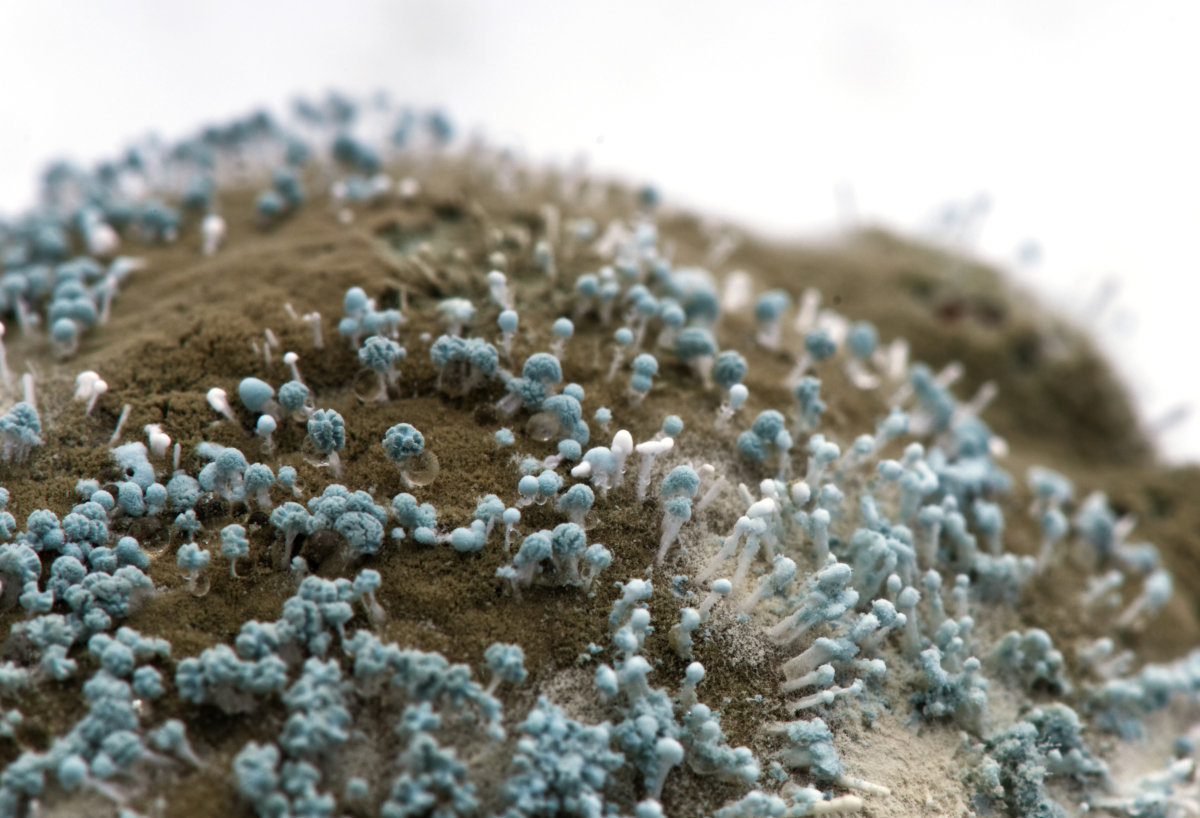
Beyond their ecological importance, fungi offer numerous benefits to humans. They are a source of chitosan, a compound derived from chitin found in fungal cell walls, which is used in dietary supplements and eco-friendly pesticides. Further processing of chitosan yields glucosamine, known for supporting joint health. Notably, blue mold is the source of penicillin, a life-saving antibiotic, and its intermediate compounds can be modified to develop a variety of other antibiotics.
Blue mold produces the antibiotic penicillin, and its intermediate compounds can be used to develop various antibiotics.
Fungi also contribute to vitamin production. Their cell membranes contain ergosterol, which converts to vitamin D2 when exposed to ultraviolet light. Many vitamin D supplements are derived from fungal ergosterol. Even preparing mushrooms by exposing their caps to sunlight before cooking can increase their vitamin D content. These diverse contributions highlight the often-overlooked value of fungi in both natural processes and human well-being.
Ergosterol in fungal cell membranes produces vitamin D2 when exposed to ultraviolet light.
DistantNews Editorial
Originally published by Dong-A Ilbo in Korean. Translated, summarized, and contextualized by our editorial team with added local perspective. Read our editorial standards.
More Stories



From Our Blog

What Gets Lost (and Found) When News Is Translated

The Critical Role of Diaspora Media in Global News

What Travellers Should Know About Countries with Restricted Press

A Digital Nomad's Guide to Following Local News

How the Same Story Looks Different in Different Countries
