


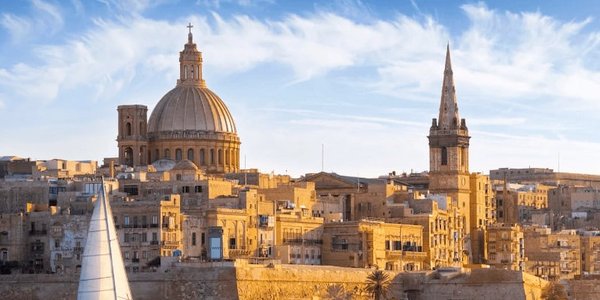
Malta Leads Europe in Combating Tourism Seasonality, Croatia Faces Biggest Challenge
Translated from Polish, summarized and contextualized by DistantNews.
At a glance
News
Sources not specified
Context piece
- European tourism faces a significant challenge with seasonality, as Eurostat data shows 31.1% of all overnight stays in the EU occurred in July and August 2025.
- Croatia exhibits the strongest seasonality, with 54.5% of its overnight stays concentrated in the summer months, while Malta shows the least seasonality at 21.9%.
- Malta attributes its balanced tourism throughout the year to a diverse offering beyond beaches, including culture, history, city breaks, and business travel, with Polish tourists being a key demographic in off-peak seasons.
Seasonality remains a persistent challenge for European tourism, with a significant portion of overnight stays concentrated in the peak summer months of July and August. In 2025, these two months accounted for an average of 31.1% of all tourist overnight stays across the European Union, totaling 961 million. This pattern is influenced by a combination of geographical and climatic factors, as well as social and cultural elements like school holidays.
However, the intensity of this seasonality varies greatly among member states. Croatia leads the pack with over half (54.5%) of its overnight stays occurring in July and August, followed by Bulgaria and Greece. In stark contrast, Malta demonstrates a much more balanced tourism flow, with only 21.9% of its overnight stays falling within the summer peak. Germany and Finland also show more evenly distributed tourism, with 24% each.
Malta's success in achieving year-round tourism is attributed to its strategic diversification of offerings. Once primarily viewed as a summer destination, Malta now promotes its rich history, culture, city breaks, diving, outdoor activities, and business tourism. This broader appeal attracts visitors throughout the year, with specific demographics playing a crucial role. For instance, Polish tourists are a significant market for Malta, particularly during the first and fourth quarters, helping to stabilize demand outside the traditional summer season.
The balanced seasonal tourist traffic is thanks, among other things, to tourists from Poland, who visit Malta mainly in the first and fourth quarters of the year.
Polish tourists represent one of the largest foreign groups visiting Malta. In 2025, the island welcomed 386,600 Polish visitors, making them the third-largest group. Their presence is even more pronounced in the off-peak periods, with Poles ranking as the top foreign visitors in January 2024 and 2025. This trend continues into the current year, with over 227,000 Polish tourists visiting Malta between January and May 2026, already exceeding half of the total from the previous year.
This balanced tourism model is further supported by Malta's Mediterranean climate and extensive flight connections from major Polish airports, reinforcing its attractiveness as a year-round destination. The country's efforts to promote diverse attractions have successfully mitigated the extreme seasonality that affects many other European tourist hotspots.
Even a few years ago, Malta was seen primarily as a summer holiday destination. Today, its offer is much more diverse.
DistantNews Editorial
Originally published by Rzeczpospolita in Polish. Translated, summarized, and contextualized by our editorial team with added local perspective. Read our editorial standards.
More Stories

From Our Blog

What Gets Lost (and Found) When News Is Translated

The Critical Role of Diaspora Media in Global News

What Travellers Should Know About Countries with Restricted Press

A Digital Nomad's Guide to Following Local News

How the Same Story Looks Different in Different Countries
