


Man, 70, gets 20 years for brutally murdering brother over inheritance, claims of self-defense rejected
Translated from Korean, summarized and contextualized by DistantNews.
At a glance
News
Sources not specified
Outcome reported
- A 70-year-old man has been sentenced to 20 years in prison for the brutal murder of his elder brother over an inheritance dispute.
- The court rejected the defendant's claim of self-defense, citing the excessive number of stab wounds and the victim's pleas for mercy.
- The judge criticized the defendant for his lack of remorse and refusal to acknowledge guilt, noting his past conviction for weapon threats.
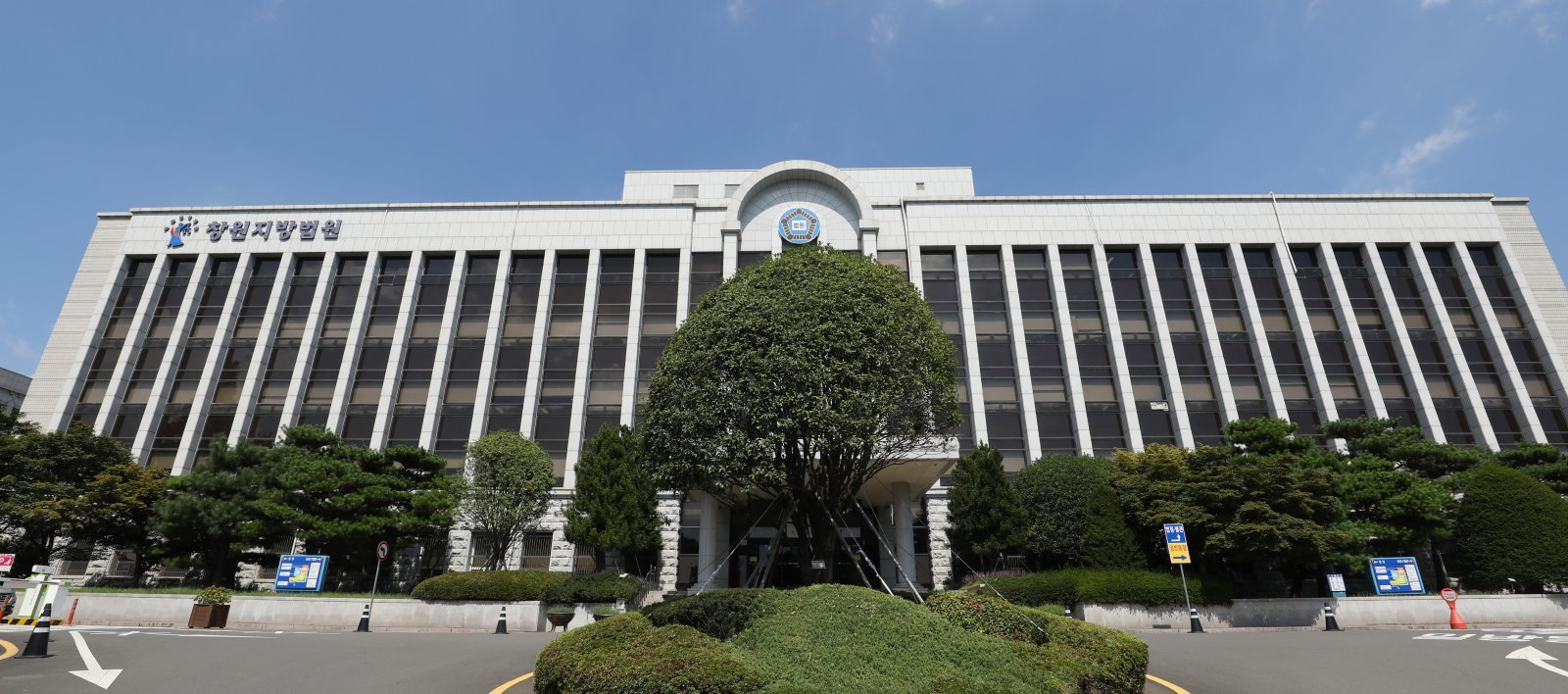
A South Korean court has handed down a 20-year prison sentence to a 70-year-old man for the brutal murder of his elder brother, rejecting his defense of self-defense. The court in Changwon condemned the accused, identified only as Mr. A, for his "unacceptable claims" and "lack of remorse."
Mr. A was charged with stabbing his brother, Mr. B (also in his 70s), multiple times at their home in Gimhae, Gyeongsangnam-do province, on January 7. The fatal altercation reportedly stemmed from a dispute over inheritance. Mr. A had demanded 40 million won from his elder brother, who had received compensation for land inherited from their father.
Mr. A has unacceptable claims denying guilt and is not genuinely remorseful, and considering the fact that he has not received forgiveness from the victim's family and has a prior conviction for weapon threats, it is appropriate to isolate him from society for a long time to live with a repentant heart.
During the trial, Mr. A argued that he lacked intent to kill and, even if intent were present, his actions constituted self-defense, warranting a reduced or waived sentence. However, the court found these claims unconvincing. The judges pointed to the fact that Mr. A wielded the knife 23 times, ignored his brother's pleas for mercy, and attacked Mr. B, who was unarmed. These actions, the court concluded, clearly demonstrated intent to kill and could not be classified as self-defense.
In explaining the severe sentence, the court emphasized Mr. A's continued denial of guilt and his apparent lack of genuine repentance. The judges also cited the fact that the victim's family has not forgiven the accused and noted Mr. A's previous conviction for threatening someone with a weapon. Consequently, the court deemed a lengthy period of social isolation necessary for Mr. A to reflect on his actions.
There was no intent to kill, and even if there was intent, it was self-defense, so the sentence should be reduced or waived.
DistantNews Editorial
Originally published by Dong-A Ilbo in Korean. Translated, summarized, and contextualized by our editorial team with added local perspective. Read our editorial standards.
More Stories


From Our Blog

What Gets Lost (and Found) When News Is Translated

The Critical Role of Diaspora Media in Global News

What Travellers Should Know About Countries with Restricted Press

A Digital Nomad's Guide to Following Local News

How the Same Story Looks Different in Different Countries
