


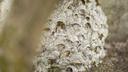
Man falls into three-day coma after hornet attack while cleaning chimney
Translated from Croatian, summarized and contextualized by DistantNews.
At a glance
News
Named sources
Outcome reported
- Slobodan Pantelić, 58, fell into a coma for three days after being stung twice by hornets while cleaning a chimney.
- The stings, one on his neck and one on his hand, triggered a severe allergic reaction, causing chest tightness and difficulty breathing.
- Experts warn that hornet season has begun, and their nests are highly active in August, with potential for multiple stings and severe allergic reactions.
A man in Serbia spent three days in a coma after a routine chimney-cleaning task turned into a terrifying ordeal involving a swarm of hornets. Slobodan Pantelić, 58, from the Valjevo region, was stung twice by the insects, leading to a severe allergic reaction.
One stung me on the neck, and the other on my hand. On top of all that, I rolled down the roof onto the ground.
The incident occurred when Pantelić climbed onto the roof of an old house to clean its chimney. As he inserted his tools and began to move them, a swarm of hornets emerged from the chimney. One hornet stung him on the neck, and another on his hand. He subsequently fell off the roof, luckily landing on hay, which cushioned his fall.
The most bothersome thing was the tightness in my chest. I couldn't get air, I couldn't call my wife. I was completely without strength. I started to suffocate and soon passed out. I don't remember anything else. I woke up in the hospital.
Soon after, Pantelić began experiencing severe symptoms, including intense chest tightness and shortness of breath. He was unable to call for help and quickly lost consciousness. He awoke in the hospital, unaware that he had been in a coma for three days. Doctors explained that the two stings, particularly the one on his neck, caused a powerful reaction in his body, likely due to a double dose of venom and histamine triggering a severe allergic response.
I was told I had a double dose of poison because there were two hornets and that the histamine from the poison caused a severe allergic reaction.
Vladica Stanković from the "Poskok" Association for Reptile and Environmental Protection warned that hornet season is underway, with nests reaching peak activity in August. He noted that nests can contain between 400 and 1,000 individuals. Stings can lead to anaphylactic shock, and hornets release a pheromone that can attract others to the site, potentially resulting in multiple stings. While typical reactions include pain and swelling, severe allergic responses can be life-threatening. Hornets generally attack when they feel threatened or their nests are disturbed.
People suffer when an allergic reaction and anaphylactic shock occur. When a hornet stings, it releases a pheromone, a scent that spreads and signals others to come to that spot. So someone can experience ten stings at once.
DistantNews Editorial
Originally published by Večernji List in Croatian. Translated, summarized, and contextualized by our editorial team with added local perspective. Read our editorial standards.
More Stories



From Our Blog

What Gets Lost (and Found) When News Is Translated

The Critical Role of Diaspora Media in Global News

What Travellers Should Know About Countries with Restricted Press

A Digital Nomad's Guide to Following Local News

How the Same Story Looks Different in Different Countries
