

‘Managed’ exchange rate hurts exports, investments
Summarized and contextualized by DistantNews.
At a glance
News
Named sources
Context piece
- Exporters in Pakistan argue that an artificially managed exchange rate, which has seen the rupee appreciate against the dollar over the past 18 months, is harming exports and deterring foreign investment.
- They contend that this policy increases production costs, making Pakistani goods uncompetitive internationally, while cheaper dollars fuel imports and widen the trade deficit.
- While the government and State Bank of Pakistan believe a stronger rupee brings economic stability, exporters advocate for gradual depreciation to boost competitiveness.
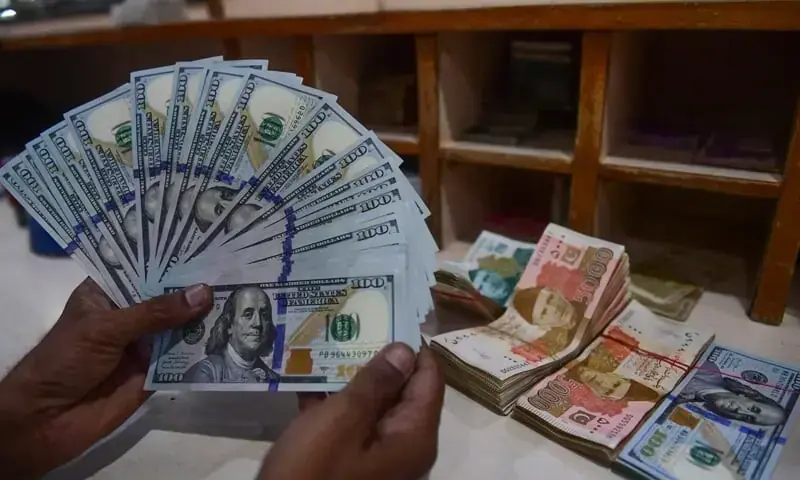
Exporters in Pakistan are expressing strong disapproval of the country's managed exchange rate policy, arguing it actively harms export competitiveness and discourages foreign investment, particularly in manufacturing sectors geared for export.
For the past year and a half, the rupee has been gradually appreciating against the US dollar, a trend that exporters say is detrimental to economic growth. They point to a significant increase in imports, which widened the trade deficit to $39 billion in the fiscal year 2026, despite substantial remittance inflows of $41.5 billion. This contrasts with regional currencies like those of India and Bangladesh, which have depreciated against the dollar.
Exporters have been losing markets due to the high cost of production, which is 12pc higher than in China, meaning we cannot compete in the international market.
"Exporters have been losing markets due to the high cost of production, which is 12pc higher than in China, meaning we cannot compete in the international market," stated Javed Bilwani, an exporter and former president of the Karachi Chamber of Commerce and Industry. He argued that instead of artificial currency appreciation, a gradual depreciation is necessary to make Pakistani goods competitive on the global stage.
While the government and the State Bank of Pakistan maintain that a stronger rupee contributes to economic stability, the business community, particularly exporters, views this policy as a significant hurdle. They believe the cheaper dollar inadvertently encourages unnecessary imports, further exacerbating the trade gap and undermining the export sector's potential.
The solution to this problem is different. Instead of opting for artificial currency appreciation, there should be gradual depreciation to make Pakistani goods competitive.
DistantNews Editorial
Originally published by Dawn. Summarized and contextualized by our editorial team with added local perspective. Read our editorial standards.
More Stories



From Our Blog

What Gets Lost (and Found) When News Is Translated

The Critical Role of Diaspora Media in Global News

What Travellers Should Know About Countries with Restricted Press

A Digital Nomad's Guide to Following Local News

How the Same Story Looks Different in Different Countries
