

Manitoba favors non-U.S. firms for contracts after trade deal collapse
Translated from English, summarized and contextualized by DistantNews.
At a glance
News
From a news agency
New plan
- Manitoba is prioritizing non-U.S. companies for government contracts following the collapse of a federal trade deal with the United States.
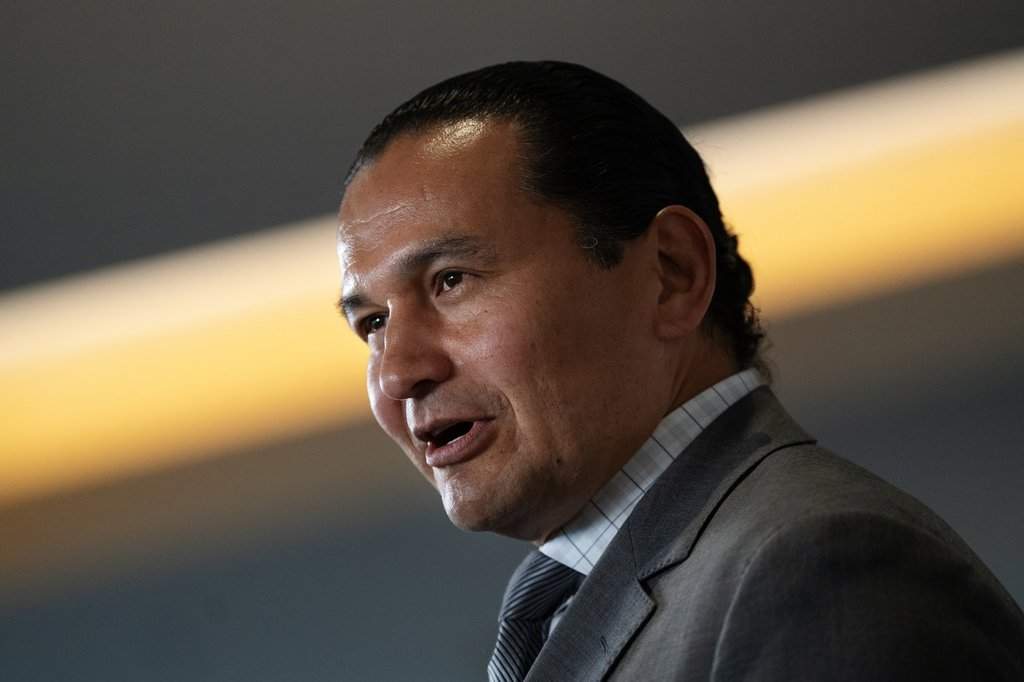
- Premier Wab Kinew stated the province had paused tenders during negotiations and has now resumed them with a focus on domestic firms.
- The provincial government plans to announce support measures for companies and workers affected by U.S. tariffs.
Manitoba is shifting its procurement policy to favor non-U.S. firms for government contracts after a federal trade deal with the United States failed. Premier Wab Kinew announced the change, explaining that the province had temporarily halted tenders during trade negotiations. The now-failed deal would have required provinces to remove clauses that favored domestic companies.
Kinew stated that this policy is a strategic use of leverage, particularly noting Manitoba Hydro's significant construction plans valued at $30 billion over the next two decades. The province aims to keep its corporate sector active and moving forward.
In addition to procurement changes, the Manitoba government will soon outline measures to assist companies and workers grappling with the economic fallout from the U.S. tariffs. Kinew expressed encouragement regarding federal support initiatives and indicated the province would likely adopt a similar approach.
"The economic impact of Trump’s tariffs is one that is going to be very jagged, in Manitoba and across Canada," Kinew said at a news conference. "We have to keep the corporate sector moving along. But if there are the impacts on the actual workers and the people on the front lines, we have to make sure that we don’t leave those folks behind."
The economic impact of Trump’s tariffs is one that is going to be very jagged, in Manitoba and across Canada. We have to keep the corporate sector moving along. But if there are the impacts on the actual workers and the people on the front lines, we have to make sure that we don’t leave those folks behind.
DistantNews Editorial
Originally published by Global News in English. Translated, summarized, and contextualized by our editorial team with added local perspective. Read our editorial standards.
More Stories

From Our Blog

What Gets Lost (and Found) When News Is Translated

The Critical Role of Diaspora Media in Global News

What Travellers Should Know About Countries with Restricted Press

A Digital Nomad's Guide to Following Local News

How the Same Story Looks Different in Different Countries
