


Manitoba logging industry threatened as wildfires consume forests
Translated from English, summarized and contextualized by DistantNews.
At a glance
News
Sources not specified
Context piece
- Wildfires across Canada are threatening the Manitoba logging industry, with a third of accessible trees now dead or overmature.
- Loggers like Arnold Reimer fear an unpredictable wood supply could halt the family business and impact rural communities dependent on the sector.
- Experts warn that aging forests are more susceptible to fires, and the unpredictability deters crucial investments in the industry.
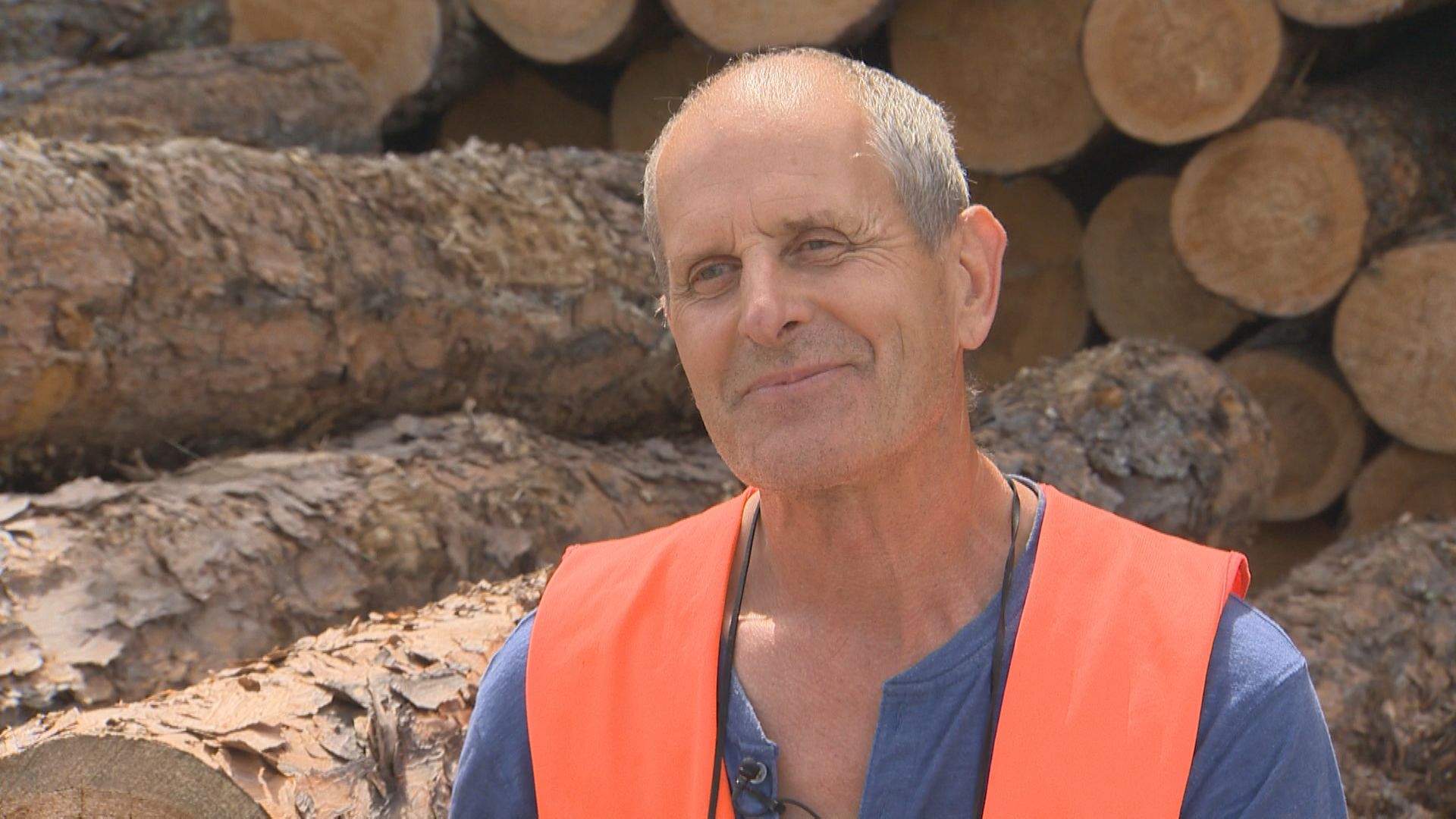
Arnold Reimer, a seasoned logger with decades of experience, walks through a Manitoba forest, his sharp eyes assessing the health of the trees. He points out needles tinged orange or green, easily identifying dead or overmature specimens. This visual assessment is a grim indicator of the threat wildfires pose to his livelihood and the broader Canadian logging industry.
As long as we have that type of timber [dead and overmature] surround the younger stuff, the younger stuff is in jeopardy.
Reimer, who founded Spruce Wood Loggers in 1981, now fears for the future of the family business. His sons operate the company, which supplies rough lumber, wood pellets, mulch, and firewood. However, a significant portion of the trees he encounters are dead or overmature. While older trees can still be used, they contain less moisture and are more vulnerable to ignition, posing a direct risk to surrounding younger, healthier forests.
John Morris, executive director at the Forestry Industry Association of Manitoba, highlights the cascading economic consequences. "It's a decrease in the availability of products and an increase in price," he stated. The loss of timber translates directly into job losses and diminished economic opportunities, particularly impacting rural and northern communities that rely heavily on the forestry sector. In the long term, this unpredictability could stifle investment.
It’s a decrease in the availability of products and an increase in price.
Wildland fire ecologist Robert Gray explains that the logging industry fundamentally relies on predictability – the assurance that trees will mature for harvest. However, the escalating wildfire seasons shatter this predictability. "People won't make investments in the forest industry because the system is so unpredictable," Gray noted. He added that aging forests are inherently more susceptible to insects, disease, and wildfires, creating a vicious cycle that endangers the industry's future.
People won’t make investments in the forest industry because the system is so unpredictable.
DistantNews Editorial
Originally published by Global News in English. Translated, summarized, and contextualized by our editorial team with added local perspective. Read our editorial standards.
More Stories


From Our Blog

What Gets Lost (and Found) When News Is Translated

The Critical Role of Diaspora Media in Global News

What Travellers Should Know About Countries with Restricted Press

A Digital Nomad's Guide to Following Local News

How the Same Story Looks Different in Different Countries
