


Ontario wildfires prompt Winnipeg air quality warning
Summarized and contextualized by DistantNews.
At a glance
News
Named sources
Context piece
- Winnipeg is under an air quality warning due to wildfire smoke blowing in from northwestern Ontario.
- The smoke contains particulate matter that can cause irritation and more severe health issues for vulnerable groups.
- Residents are advised to stay indoors and keep windows closed, though balancing this with cooling needs during hot weather is noted.
Wildfire smoke from northwestern Ontario has prompted an air quality warning in Winnipeg, Environment and Climate Change Canada (ECCC) reported. Southeasterly winds are carrying the smoke towards the city, leading to reduced visibility and potentially poor air quality. The yellow-level warning advises residents to be aware of the increased health risks associated with smoke exposure.
As smoke levels increase, health risks increase.
Health risks from the smoke are particularly elevated for infants, children, individuals aged 65 and older, and pregnant people. ECCC cautions that exposure can lead to symptoms such as eye, nose, and throat irritation, mild coughs, and headaches. More severe reactions, including wheezing, chest pains, and intense coughing, are also possible. The primary concern is particulate matter, tiny soot and ash particles suspended in the air, which can easily enter the lungs and potentially the bloodstream.
Most of what we call particulate matter. That’s the little pieces of soot and ash, if you will, that’s suspended in the air.
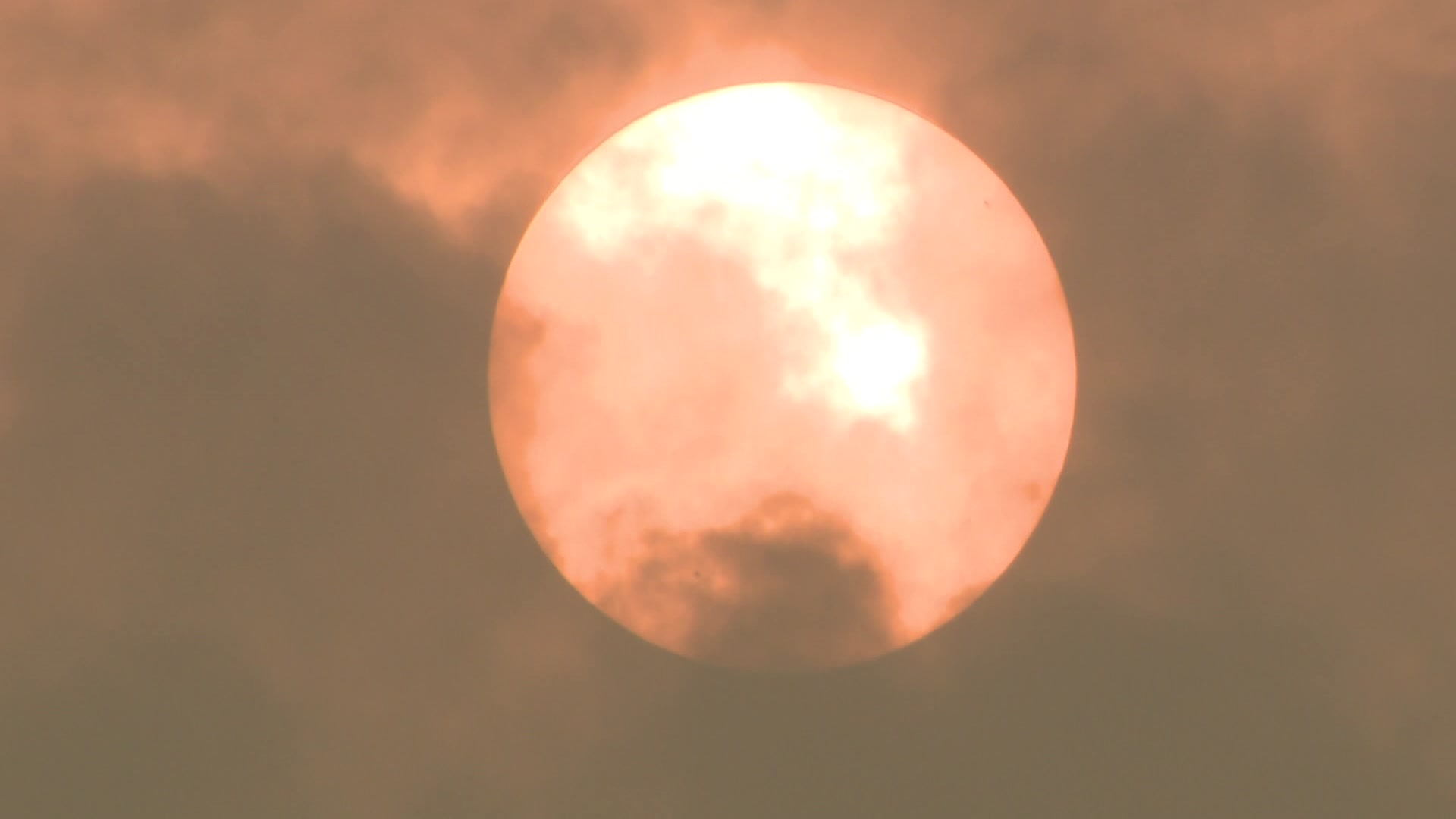
According to Chris Pascoe, an associate professor at the University of Manitoba specializing in lung disease research, the current smoke and smog situation is similar to what Winnipeg experienced the previous year. He explained that the fine particles in wildfire smoke are what create the hazy, often yellow or orange appearance of the sky. "Wildfire smoke tends to be a lot more immediate and acute, meaning high levels of this pollution come in on days like today, they blow out [and] it’s clear for a bit. Then, they blow back in," Pascoe noted.
They’re very small, very fine particles and that’s what makes it look smoky. And if the sun was peeking out, it would probably make the sky look yellow or orange.
While the immediate health effects are concerning, Pascoe stated that the long-term risks of prolonged exposure to such smoky conditions are still unclear. ECCC recommends that residents minimize their exposure by keeping doors and windows shut to prevent poor-quality air from entering their homes. However, the advice also acknowledges the importance of staying cool during hot weather, presenting a potential conflict for those without adequate cooling systems.
Wildfire smoke tends to be a lot more immediate and acute, meaning high levels of this pollution come in on days like today, they blow out [and] it’s clear for a bit. Then, they blow back in.
DistantNews Editorial
Originally published by Global News. Summarized and contextualized by our editorial team with added local perspective. Read our editorial standards.
More Stories
From Our Blog

What Gets Lost (and Found) When News Is Translated

The Critical Role of Diaspora Media in Global News

What Travellers Should Know About Countries with Restricted Press

A Digital Nomad's Guide to Following Local News

How the Same Story Looks Different in Different Countries
