


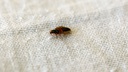
Many people may not notice the bites: Signs bedbugs have entered your home
Translated from Croatian and summarized by DistantNews. Read the original for the full story.
At a glance
In-depth
Named sources
Context piece
- Pest-control experts say summer travel increases opportunities for bedbugs to move between hotels, rentals and homes.
- Bedbugs can hide in luggage, backpacks, bedding and furniture, and infestations are not limited to unhygienic or low-cost spaces.
- Experts say human mobility matters more than outdoor weather because bedbugs mainly live indoors, where temperatures remain relatively stable.
The peak summer travel season can also become a peak period for bedbug encounters. Experts say increased human mobility gives the insects more chances to move from one place to another.
Bedbugs do not have a traditional seasonal cycle like mosquitoes. They can cause problems throughout the year wherever people live, sleep or travel. Late summer and early autumn are often treated as their main season because travel creates more opportunities for infestations to spread.
Vacations, hotel stays, cruises and other forms of travel give bedbugs more opportunities to hitchhike and move from one place to another.
“Vacations, hotel stays, cruises and other forms of travel give bedbugs more opportunities to hitchhike and move from one place to another,” said Shannon Sked, an entomologist and national technical director at Orkin. Holiday travel can also produce more incidents.
Bedbugs grow and reproduce faster when it is warmer, at least up to a certain temperature, but hot outdoor weather is often moderated by indoor air conditioning, where those effects are minimized.
The problem is not confined to unhygienic spaces. Bedbugs can spread through luxury hotels, hostels, apartments and public transport. They hide in suitcases, backpacks, bedding, furniture and almost anything people carry. A few insects brought home in luggage can start a serious infestation, even if travelers did not notice them during their stay.
Warm conditions can speed their growth and reproduction up to a point, but experts say human activity plays a much larger role. “Bedbugs grow and reproduce faster when it is warmer, at least up to a certain temperature, but hot outdoor weather is often moderated by indoor air conditioning, where those effects are minimized,” said Zach DeVries, an assistant professor of urban entomology at the University of Kentucky. Jim Fredericks of the National Pest Management Association said that once introduced indoors, bedbugs can live in stable temperatures while relying on people as a dependable food source.
Once they are brought into a space, they will live indoors, where temperatures remain relatively stable and people represent a dependable source of food.
About this summary
Originally published by Večernji List in Croatian. Translated, summarized, and contextualized automatically by DistantNews, with a note on how the source frames the story. Not individually reviewed before publishing. How this works.
More Stories



From Our Blog

What Gets Lost (and Found) When News Is Translated

The Critical Role of Diaspora Media in Global News

What Travellers Should Know About Countries with Restricted Press

A Digital Nomad's Guide to Following Local News

How the Same Story Looks Different in Different Countries
