


Marek A. Cichocki: A Radical Turn Towards Normalizing Violence
Translated from Polish, summarized and contextualized by DistantNews.
At a glance
Analysis
Named sources
Context piece
- Polish political scientist and philosopher Marek A. Cichocki observes a significant shift in Western and Polish attitudes towards violence and conflict.
- He notes a move away from post-history optimism towards a worldview accepting a cruel reality, prioritizing self-interest and power projection over values.
- Cichocki warns that this embrace of force, particularly among the perceived weak, signifies a potential decline in civilization, contrasting it with Poland's historical resilience.
Polish political scientist and philosopher Marek A. Cichocki identifies a profound shift in the West and Poland over the past two decades concerning politics, peace, and violence. He contrasts the previous widespread belief in the end of history, the decline of ideologies, and the primacy of rationalism and international order with the current reality of chaos, political and economic Darwinism, polarization, hatred, and a faith in the efficacy of raw violence.
The agreement that the world is cruel, and not that it should be better, has been recognized as the most important life wisdom of a contemporary Pole and a lesson learned from the current times.
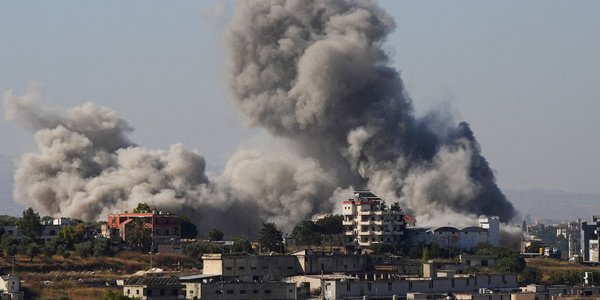
Cichocki attributes this radical turn partly to Russia's war against Ukraine and the conflict in the Middle East. However, he argues these external factors do not fully explain the phenomenon of normalizing violence. Even in Poland, a nation once known for Solidarity, peaceful revolution, and the influence of Pope John Paul II, many now subscribe to the view that the world is governed not by values, human dignity, or the common good, but by hard interests and the projection of power.
The imperative of healthy, 'sober' realism and self-preservation has become the ability to inflict harm on others, rather than doing good.
This acceptance of a cruel world, rather than striving for a better one, has become a defining wisdom for contemporary Poles, according to Cichocki. The imperative of "sober" realism and self-preservation now emphasizes the ability to inflict harm over doing good. The philosopher cautions that this new fascination with strength may not stem from genuine self-confidence but often attracts the weak and dependent. He suggests that in this transformation from "pitiable romantics" to "tough and ruthless realists," Poland might be forgetting the sources of its historical resilience forged during the totalitarian experiences of the 20th century.
Usually, strength most fascinates weak and dependent people.
Ultimately, Cichocki warns that a belief in the effectiveness of violence and the acceptance of forceful language are not signs of strength but indicators of civilizational decay. This embrace of a "jungle" mentality, where power dictates terms, marks a departure from the values and principles that once defined Polish identity and its role in the world.
And finally, faith in the effectiveness of violence and the acceptance of the language of force do not necessarily signify an advantage, but always mark the beginning of civilizational decay.
DistantNews Editorial
Originally published by Rzeczpospolita in Polish. Translated, summarized, and contextualized by our editorial team with added local perspective. Read our editorial standards.
More Stories



From Our Blog

What Gets Lost (and Found) When News Is Translated

The Critical Role of Diaspora Media in Global News

What Travellers Should Know About Countries with Restricted Press

A Digital Nomad's Guide to Following Local News

How the Same Story Looks Different in Different Countries
