


Marek Kobylański: A Driving Ban Must Mean Something
Translated from Polish, summarized and contextualized by DistantNews.
At a glance
Analysis
Sources not specified
Context piece
- A significant number of drivers in Poland face driving bans, yet many continue to drive, often under the influence.
- The Ministry of Justice proposes stricter penalties, including potential prison time for repeat offenders caught driving drunk or drugged.
- Critics argue that existing laws are sufficient, but the article emphasizes the need for better enforcement to prevent tragedies.
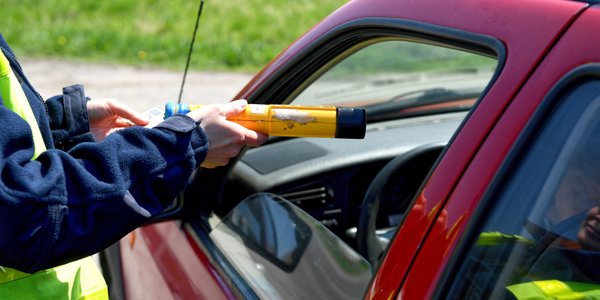
In Poland, a concerning trend has emerged where numerous drivers accumulate driving bans, yet continue to operate vehicles, sometimes while intoxicated. The article highlights cases of drivers with multiple bans, illustrating how these court-ordered restrictions have become mere "pieces of paper" for some repeat offenders. These individuals often only get caught during routine checks, after accidents, or tragically, after fatal collisions. For the families of victims, the pain is compounded by the knowledge that the person responsible, who should not have been driving, was able to do so, often under the influence of alcohol or drugs. This raises the agonizing question: if the driver was known to be dangerous, why was he allowed back on the road?
The Ministry of Justice is seeking to address this issue by tightening regulations. One proposal suggests that violating a court-ordered driving ban while under the influence of alcohol or drugs should lead to immediate and unavoidable imprisonment. However, there may be provisions for suspending sentences in exceptionally justified cases. The aim is to prevent a situation where court bans become a mere temporary stop for persistent offenders. Some experts view these proposed changes as penal populism, arguing that current laws already allow for strict imprisonment for those who repeatedly violate bans. Yet, for those affected by such incidents, the current system has clearly failed, necessitating change.
The article argues that relying solely on the police to catch all offenders is unrealistic, as patrols cannot be everywhere. For individuals who consistently ignore court orders and accumulate driving bans, especially while driving under the influence, effective isolation is presented as the only way to eliminate the threat. The piece conveys a sense of urgency, suggesting that the current system's failures have dire consequences, and that stronger enforcement is crucial to ensure public safety on the roads. The author implies that the current situation is a "game" played against law-abiding citizens who simply want to reach their destinations safely.
DistantNews Editorial
Originally published by Rzeczpospolita in Polish. Translated, summarized, and contextualized by our editorial team with added local perspective. Read our editorial standards.
More Stories


From Our Blog

What Gets Lost (and Found) When News Is Translated

The Critical Role of Diaspora Media in Global News

What Travellers Should Know About Countries with Restricted Press

A Digital Nomad's Guide to Following Local News

How the Same Story Looks Different in Different Countries
