

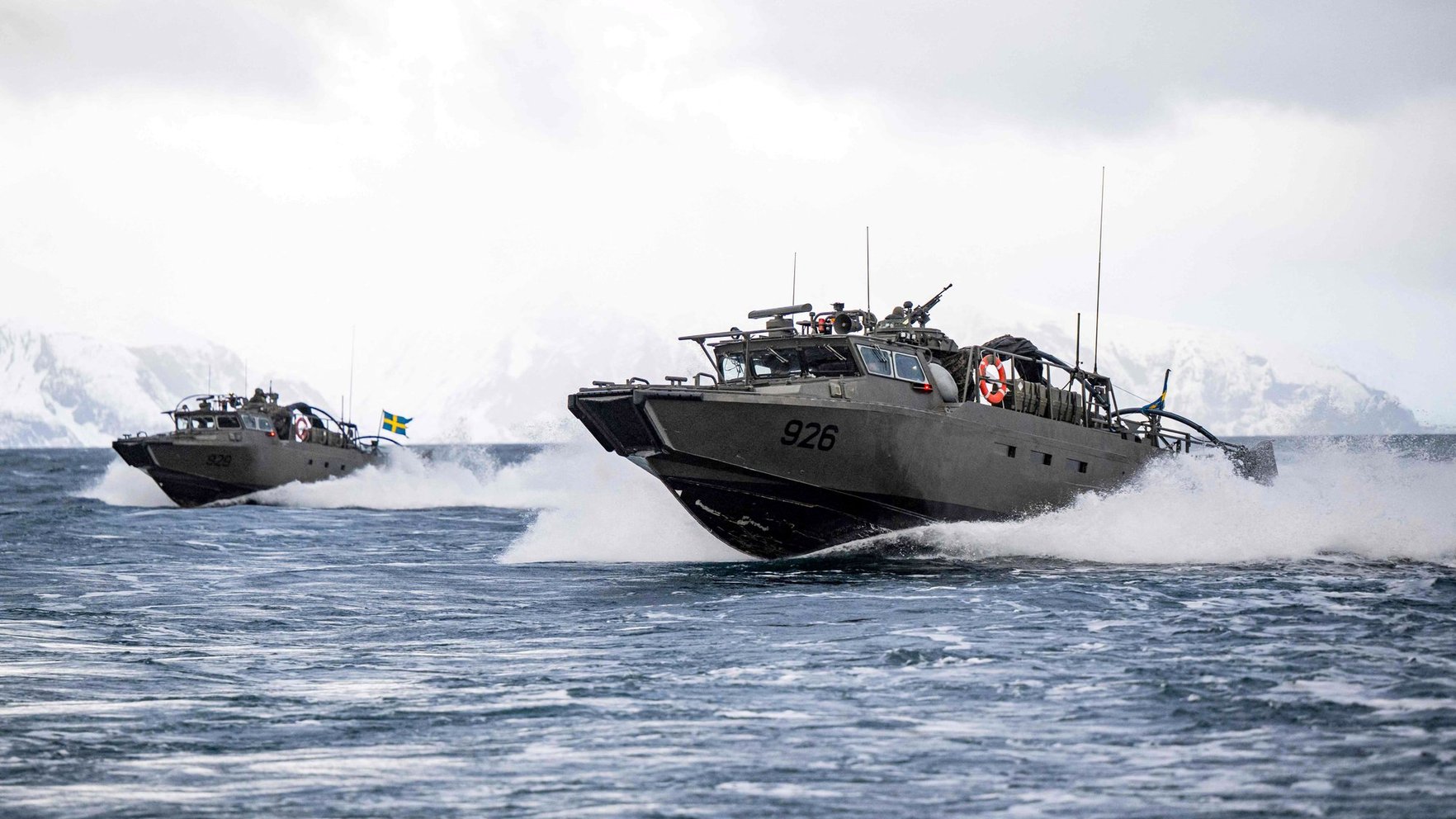

Māris Graudiņš: Latvia's Security Key Lies in Europe
Translated from Latvian, summarized and contextualized by DistantNews.
At a glance
Analysis
Named sources
Context piece
- Latvia's security discussions have intensified following Russian aggression in Ukraine and a drone incident on Latvian territory.
- Former officials who previously opposed concepts like a "Plan B" for security or a European army are now advocating for them.
- The article argues that Latvia's security is intrinsically linked to Europe, emphasizing the need for regional cooperation and adaptable defense strategies.
Heightened security concerns in the Baltic region, fueled by Russia's aggression in Ukraine and a recent drone incident on Latvian soil, have reignited debates about the region's defense strategies. This has led to a notable shift in perspective among some former officials who previously resisted alternative security frameworks.
Notably, figures like Artis Pabriks, who served multiple terms as minister, and Jānis Garisons, former state secretary of the Ministry of Defense, had been vocal opponents of concepts such as a "Plan B" for security or a European army. They had instead managed the armed forces with what the article describes as the lowest number of reservists and the smallest home guard among the Baltic states, while also overseeing a controversial food procurement scandal and lagging in drone development.
Paradoxically, both Pabriks and Garisons have recently become proponents of enhanced European defense cooperation. Pabriks now advocates for the urgent formation of a military alliance in Northern Europe, while Garisons, now leading a maritime drone manufacturing firm, acknowledges the pressing need for a "Plan B." This shift mirrors a broader reevaluation of security architectures, influenced by evolving geopolitical realities and perceived uncertainties regarding U.S. commitment to European security.
The article also touches upon the systemic weaknesses within NATO's Article 5, particularly the requirement for consensus among 32 member states and individual decisions on participation in counter-attacks. Recent proposals from EU defense officials and Polish leaders for rapid reaction units and a "European Legion" suggest a growing impetus for greater EU-level defense integration, potentially operating under the framework of "closer cooperation" among member states.
Ultimately, the author posits that Latvia's security is fundamentally tied to its place within Europe. The piece argues for a proactive approach to regional security cooperation, drawing parallels to historical efforts and emphasizing the need for adaptable strategies in the face of contemporary threats.
It is good if intelligent people can take positions on societal issues.
DistantNews Editorial
Originally published by Delfi Latvia in Latvian. Translated, summarized, and contextualized by our editorial team with added local perspective. Read our editorial standards.
More Stories


From Our Blog

What Gets Lost (and Found) When News Is Translated

The Critical Role of Diaspora Media in Global News

What Travellers Should Know About Countries with Restricted Press

A Digital Nomad's Guide to Following Local News

How the Same Story Looks Different in Different Countries
