


‘Marketers bought cheap LPG, created artificial scarcity’
Summarized and contextualized by DistantNews.
At a glance
News
Named sources
Context piece
- Nigeria LNG Limited (NLNG) accuses marketers of creating artificial scarcity and driving up cooking gas prices.
- Marketers allegedly bought LPG at N800-N900/kg and resold it for up to N2,400/kg, far exceeding recommended retail prices.
- NLNG is working with regulators to address distortions in the distribution chain and prioritize off-takers with effective distribution networks.
Nigeria LNG Limited (NLNG) has accused certain marketers of exacerbating the surge in cooking gas prices by deliberately creating artificial scarcity. The company alleges that these marketers purchased liquefied petroleum gas (LPG) from NLNG at prices ranging from N800 to N900 per kilogramme, only to resell it at exorbitant rates of up to N2,400/kg in the retail market.
When the product was being sold at N2,400 in the market, guess how much they (marketers) were lifting it from us? It was between N800 and N900 per kg.
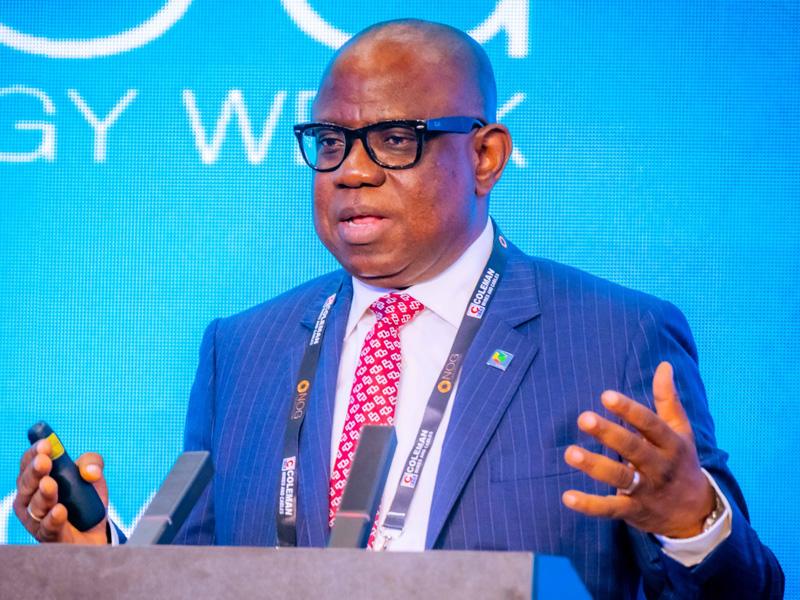
Adeleye Falade, the Managing Director and CEO of NLNG, revealed this during a recent media briefing in Lagos. He attributed the dramatic price spike not to NLNG's pricing strategy but to supply shortages, artificial scarcity, and disruptions within the distribution chain. Falade noted that the recommended retail price, factoring in transportation and other costs, should not exceed N1,000 to N1,200 per kg, as advised by the Nigerian Midstream and Downstream Petroleum Regulatory Authority (NMDPRA).
Falade stated that investigations by NLNG indicated some buyers were stockpiling LPG instead of distributing it promptly to retailers. This hoarding practice, he explained, directly contributes to the artificial scarcity that inflates prices. The price of cooking gas had previously jumped from below N1,000/kg in May to as high as N2,400/kg, forcing many households to revert to using less clean cooking fuels.
So there’s also some distortion that happened on the sales side, which I know the regulators are working on right now to get control of it.
In response, NLNG has engaged one of the major consulting firms to assess its off-takers and their distribution capabilities. The company aims to prioritize off-takers who can demonstrate the capacity and network to supply LPG directly to retailers. NLNG seeks to move away from those who hold onto the product, thereby contributing to the market distortions and price hikes. While acknowledging existing infrastructure gaps in the LPG value chain, Falade emphasized that these have not hindered NLNG's ability to sell all its produced cooking gas.
What we found out is that a number of people take the product; they will put it in their terminal, and they are part of those that have created the artificial scarcity that has led to the pricing.
DistantNews Editorial
Originally published by The Punch. Summarized and contextualized by our editorial team with added local perspective. Read our editorial standards.
More Stories


From Our Blog

How the Same Story Looks Different in Different Countries

What Gets Lost (and Found) When News Is Translated

The Critical Role of Diaspora Media in Global News

What Travellers Should Know About Countries with Restricted Press

A Digital Nomad's Guide to Following Local News
