


Marmalade May Once Again Be Called Marmalade
Translated from German, summarized and contextualized by DistantNews.
At a glance
News
From a news agency
New plan
- A new EU directive, the "EU Breakfast Directive," allows products made from all fruits to be labeled as "Marmalade" again, ending a previous restriction that limited the term to citrus fruits.
- The directive also increases the minimum fruit content for marmalades to 450 grams per kilogram (500 grams for "extra" products) to promote healthier compositions and reduce sugar.
- New labeling rules for honey require the disclosure of all origin countries and their percentage contributions for honey blends, enhancing transparency for consumers and supporting domestic beekeepers.
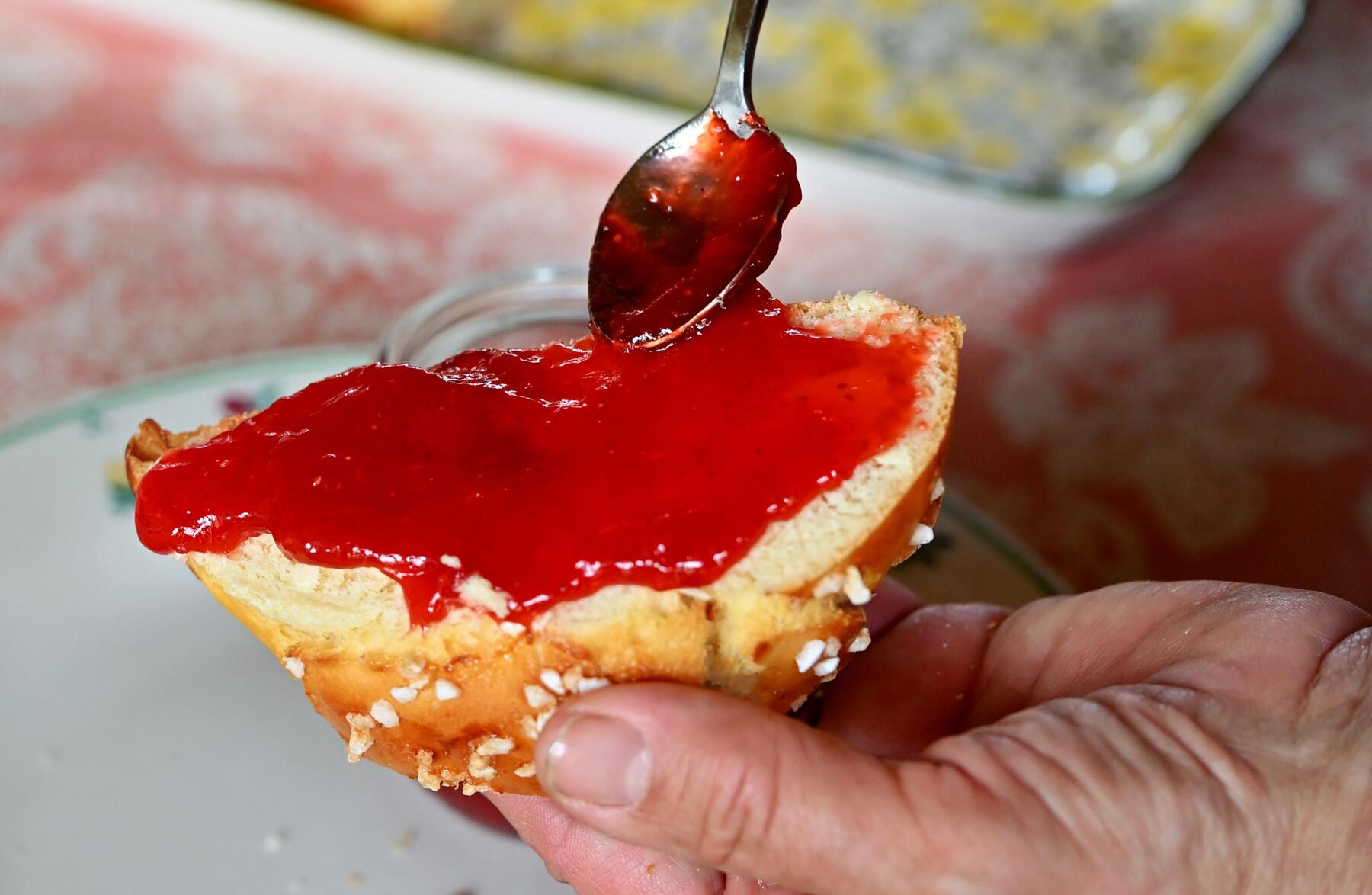
The European Union is redefining what constitutes "Marmalade," allowing a wider range of fruit preserves to reclaim the name. Previously, EU law restricted the "Marmalade" label exclusively to products derived from citrus fruits, forcing manufacturers of other fruit spreads, such as strawberry or apricot, to use the term "Konfitüre" (jam).
This change, implemented through the "EU Breakfast Directive" and now integrated into national law, marks a significant shift. The directive also mandates an increase in the minimum fruit content for marmalades, raising it from 350 grams to 450 grams per kilogram. "Extra" marmalade products will require an even higher standard of 500 grams per kilogram. These adjustments aim to encourage healthier formulations by reducing sugar content and increasing the proportion of fruit.
The historical context for the "Marmalade dispute" traces back to 1979 when Britain successfully lobbied to reserve the term for its orange marmalade. Austria, despite traditional usage of "Marmelade" for various fruit spreads, had to comply after joining the EU in 1995. While a 2004 exception allowed smaller producers to use the name for local markets, larger distributors and supermarkets remained bound by the citrus-only rule. The term, however, persisted in common Austrian parlance and will now officially return to packaging.
Beyond marmalade, the directive introduces greater transparency for honey labeling. Honey blends must now clearly list all countries of origin and their respective percentages. This move is hailed by "Biene Österreich" (Bee Austria) as a victory against cheap imported honey and a boost for local beekeepers. Agriculture Minister Norbert Totschnig expressed satisfaction, stating consumers can now easily identify and purchase Austrian quality honey. Simplified labeling rules, including the use of two-letter country codes, will apply to small packages up to 30 grams.
DistantNews Editorial
Originally published by Die Presse in German. Translated, summarized, and contextualized by our editorial team with added local perspective. Read our editorial standards.
More Stories



From Our Blog

What Gets Lost (and Found) When News Is Translated

The Critical Role of Diaspora Media in Global News

What Travellers Should Know About Countries with Restricted Press

A Digital Nomad's Guide to Following Local News

How the Same Story Looks Different in Different Countries
