



Marwan Khreesat: The Elusive Bombmaker of Palestinian Factions
Translated from English, summarized and contextualized by DistantNews.
At a glance
In-depth
Sources not specified
Context piece
- A former Palestinian militant, Marwan Khreesat, linked to bombmaking for the Popular Front for the Liberation of Palestine-General Command, died in Amman at about 70.
- Khreesat was known for his technical skills in creating sophisticated explosive devices, including one used in a 1972 El Al flight bombing attempt.
- His legacy remains controversial, with Western investigators linking him to aviation attacks while some view him as a fighter against Israeli occupation.
In the clandestine world of Palestinian factional operations during the 1970s and 1980s, Marwan Khreesat was a figure shrouded in mystery and controversy. Western intelligence accounts identified him as a skilled bombmaker for the Popular Front for the Liberation of Palestine-General Command (PFLP-GC), led by Ahmed Jibril. For decades, Khreesat operated as an elusive figure, moving between international capitals. His arrest and subsequent release in West Germany fueled speculation, and he was pursued by Israel's Mossad.
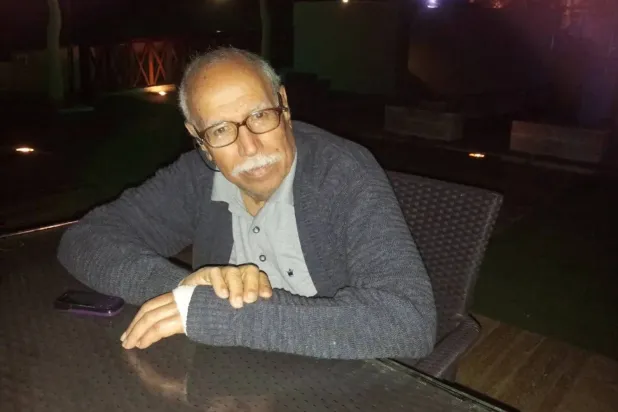
Khreesat eventually died in Amman at approximately 70 years old, taking many of his secrets with him. While some remember him as a fedayeen who used his electrical expertise against the Israeli occupation, Western investigators associate him with aviation attacks that caused global shock. His death did not resolve the lingering questions, with his name continuing to surface in investigations, including the Lockerbie case. Recently, a Netflix docudrama brought his name back into international focus, revisiting the hidden battles and unresolved issues of that era.
His story began with a talent for electronics. A gifted electrician and technician, Khreesat became involved in armed activities early on, influenced by his nationalist background. He joined the PFLP-GC, a faction that had broken away from the Popular Front for the Liberation of Palestine and specialized in cross-border military operations. Ahmed Jibril, the faction's founder, recognized Khreesat's aptitude for working with electrical circuits and plastic explosives like C-4 and Semtex. Khreesat was not a frontline combatant; instead, he worked in secret laboratories, designing intricate explosive devices triggered by air pressure changes or digital timers. His technical prowess enabled him to create devices capable of bypassing airport security systems.
Khreesat's expertise was honed over years in the region's shadow wars. An early instance occurred in Rome in the summer of 1972. The PFLP-GC reportedly deceived two British women into carrying a record player, presented as a farewell gift, onto an El Al flight to Tel Aviv. The device, hidden within the record player, was designed to detonate at high altitude over the Mediterranean using a barometric trigger, intended to send the wreckage into the sea. The bomb detonated approximately 20 minutes after takeoff.
To some, he was a fedayeen who used his electrical skills against the Israeli occupation. To Western investigators, he was linked to aviation attacks that shocked the world.
DistantNews Editorial
Originally published by Asharq Al-Awsat in English. Translated, summarized, and contextualized by our editorial team with added local perspective. Read our editorial standards.
More Stories


From Our Blog

What Gets Lost (and Found) When News Is Translated

The Critical Role of Diaspora Media in Global News

What Travellers Should Know About Countries with Restricted Press

A Digital Nomad's Guide to Following Local News

How the Same Story Looks Different in Different Countries
