


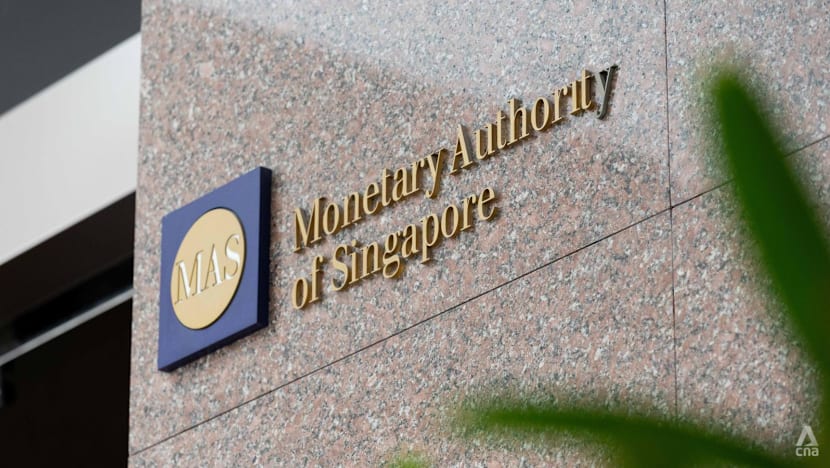
MAS tightens monetary policy for second time, citing growth and inflation
Translated from English, summarized and contextualized by DistantNews.
At a glance
News
Official statement
New plan
- The Monetary Authority of Singapore (MAS) tightened monetary policy for the second consecutive time.
- MAS cited expectations of firm economic growth in the second half of the year and continued external price pressures.
- The central bank adjusted the rate of appreciation for the Singapore dollar's policy band slightly, aiming to curb imported inflation.
The Monetary Authority of Singapore (MAS) surprised markets by tightening its monetary policy for the second time in a row on Monday, July 27. The central bank anticipates a solid pace of economic growth for Singapore in the latter half of 2026 and expects external price pressures to continue impacting consumers.
MAS will therefore increase the rate of appreciation of the policy band very slightly. The extent of this increase is smaller than that in April.
MAS announced it would "increase the rate of appreciation of the policy band very slightly," a move smaller than the adjustment made in April. The width and center of the policy band remain unchanged. This calibrated tightening aims to strengthen the Singapore dollar, thereby helping to reduce imported inflation. The central bank stated this adjustment sustains an appropriate appreciation path for the Singapore dollar nominal effective exchange rate (S$NEER), which will help cap inflationary pressures.
MAS also indicated it is well-positioned to address any risks to medium-term price stability and will closely monitor economic developments. The authority affirmed its readiness to curb excessive volatility in the S$NEER. In April, MAS had already tightened policy by slightly increasing the appreciation rate of the S$NEER policy band.
In an environment of continued heightened uncertainty, this calibrated adjustment to the policy band builds on the tightening in April.
Unlike many other central banks that use interest rates, MAS manages monetary policy through the exchange rate. It allows the currency to fluctuate within an undisclosed band against the currencies of its main trading partners. The central bank can adjust the slope, mid-point, or width of this band. A Reuters poll of 16 analysts showed that 12 had expected MAS to maintain its current policy, while only four predicted a tightening.
MAS also stands ready to curb excessive volatility in the S$NEER.
DistantNews Editorial
Originally published by CNA in English. Translated, summarized, and contextualized by our editorial team with added local perspective. Read our editorial standards.
More Stories


From Our Blog

What Gets Lost (and Found) When News Is Translated

The Critical Role of Diaspora Media in Global News

What Travellers Should Know About Countries with Restricted Press

A Digital Nomad's Guide to Following Local News

How the Same Story Looks Different in Different Countries
