


Mass consumption in Argentina fell 1.6% in May but showed stabilization signs
Translated from Spanish, summarized and contextualized by DistantNews.
At a glance
News
Documents & data
Context piece
- Argentina's mass consumption of packaged goods fell 1.6% year-on-year in May, showing signs of stabilization compared to earlier months.
- Sales improved 0.1% from April, and the year-to-date decline stands at 3% after five months, with inflation deceleration cited as a key factor.
- Supermarkets saw a significant drop of 4.2%, while pharmacies and e-commerce experienced growth, with beverages and some food categories also showing relative demand increases.
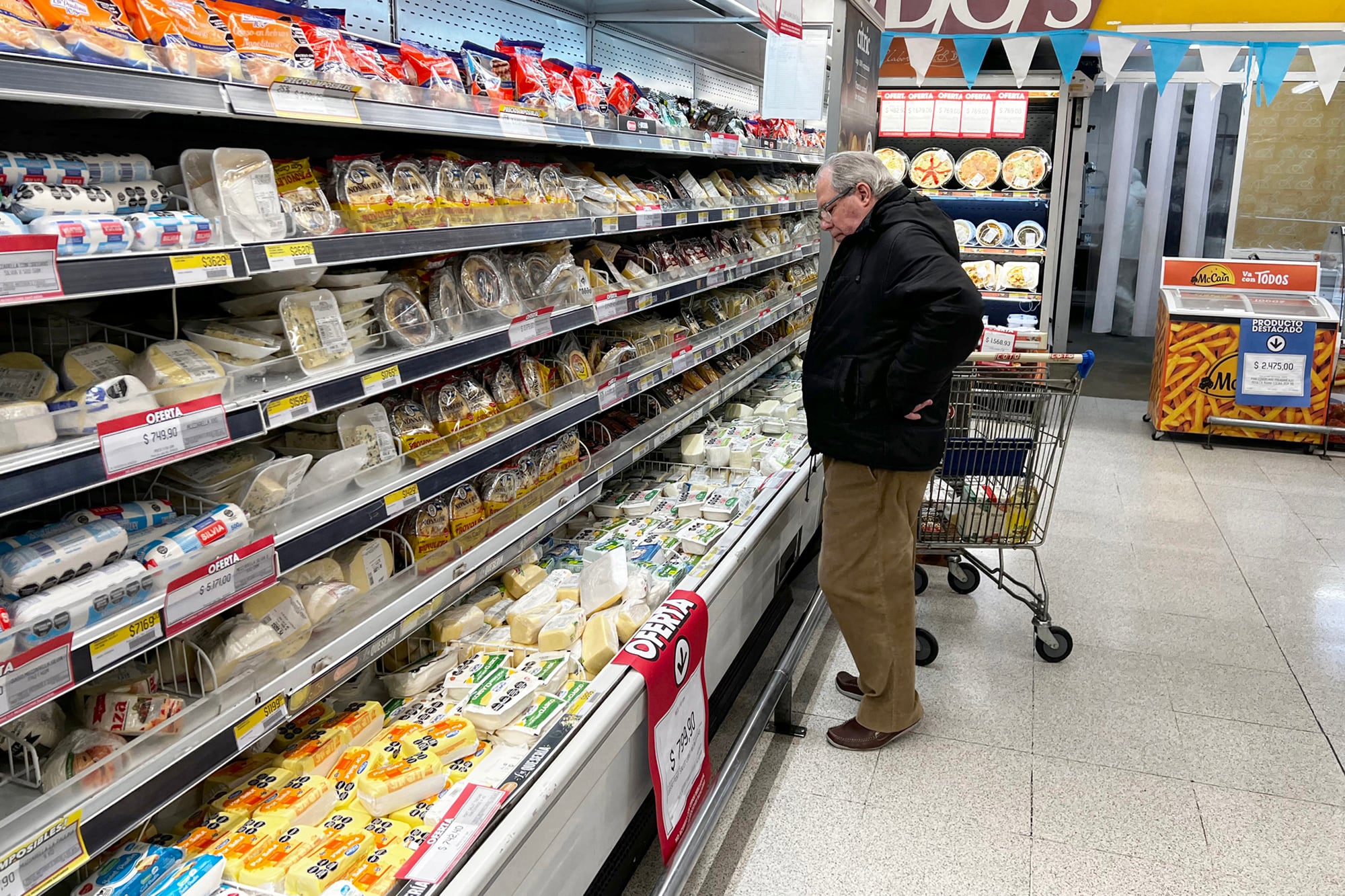
Argentina's mass consumption of packaged goods experienced a 1.6% year-on-year decline in May, but the downturn showed signs of moderating, indicating a potential stabilization across various market segments. This performance was less negative than in the initial months of the year.
Data from Scentia, which surveyed over 8,000 points of sale including supermarkets, independent self-service stores, convenience stores, pharmacies, wholesalers, and e-commerce platforms, revealed a 0.1% improvement in sales compared to April. For the first five months of the year, the cumulative drop in consumption stands at 3% compared to the same period in 2025.
Scentia attributes this moderation primarily to decelerating inflation. The consultancy noted that falling price indices have begun to partially counteract the deterioration observed in mass consumption during the early part of the year. The average weighted price of surveyed products has evolved in line with, or even below, the consumer price index.
While overall consumption declined, the intensity of the fall lessened, with positive performances emerging in specific channels and categories. Pharmacies saw a 2.3% increase, and e-commerce surged by 29.9% compared to May last year, though these gains did not offset the overall decrease. Beverages, both alcoholic and non-alcoholic, grew by 4.1% and 3.3% respectively, and the food category recorded a modest 0.9% increase.
Conversely, chain supermarkets registered a significant 4.2% year-on-year drop, remaining one of the most affected sectors. Independent self-service stores fell by 1.3%, and wholesalers saw a 1.6% decrease. Categories such as breakfast and snack items (-5.4%), laundry and home cleaning products (-8.2%), and perishables (-6.5%) continued to show significant retrocessions, contributing substantially to the overall decline.
DistantNews Editorial
Originally published by La Nación in Spanish. Translated, summarized, and contextualized by our editorial team with added local perspective. Read our editorial standards.
More Stories



From Our Blog

What Gets Lost (and Found) When News Is Translated

The Critical Role of Diaspora Media in Global News

What Travellers Should Know About Countries with Restricted Press

A Digital Nomad's Guide to Following Local News

How the Same Story Looks Different in Different Countries
