


Massive Funeral for Iran's Supreme Leader Khamenei, Son's Attendance Uncertain
Translated from Korean, summarized and contextualized by DistantNews.
At a glance
News
Named sources
New plan
- Iran is holding a massive funeral for Supreme Leader Ayatollah Ali Khamenei, who was killed in an attack.
- The multi-city funeral is expected to draw 20 million mourners, but Khamenei's son, Mojtaba, is unlikely to attend due to security concerns.
- The event marks the largest funeral in Iran's history and occurs amidst ongoing regional conflict.
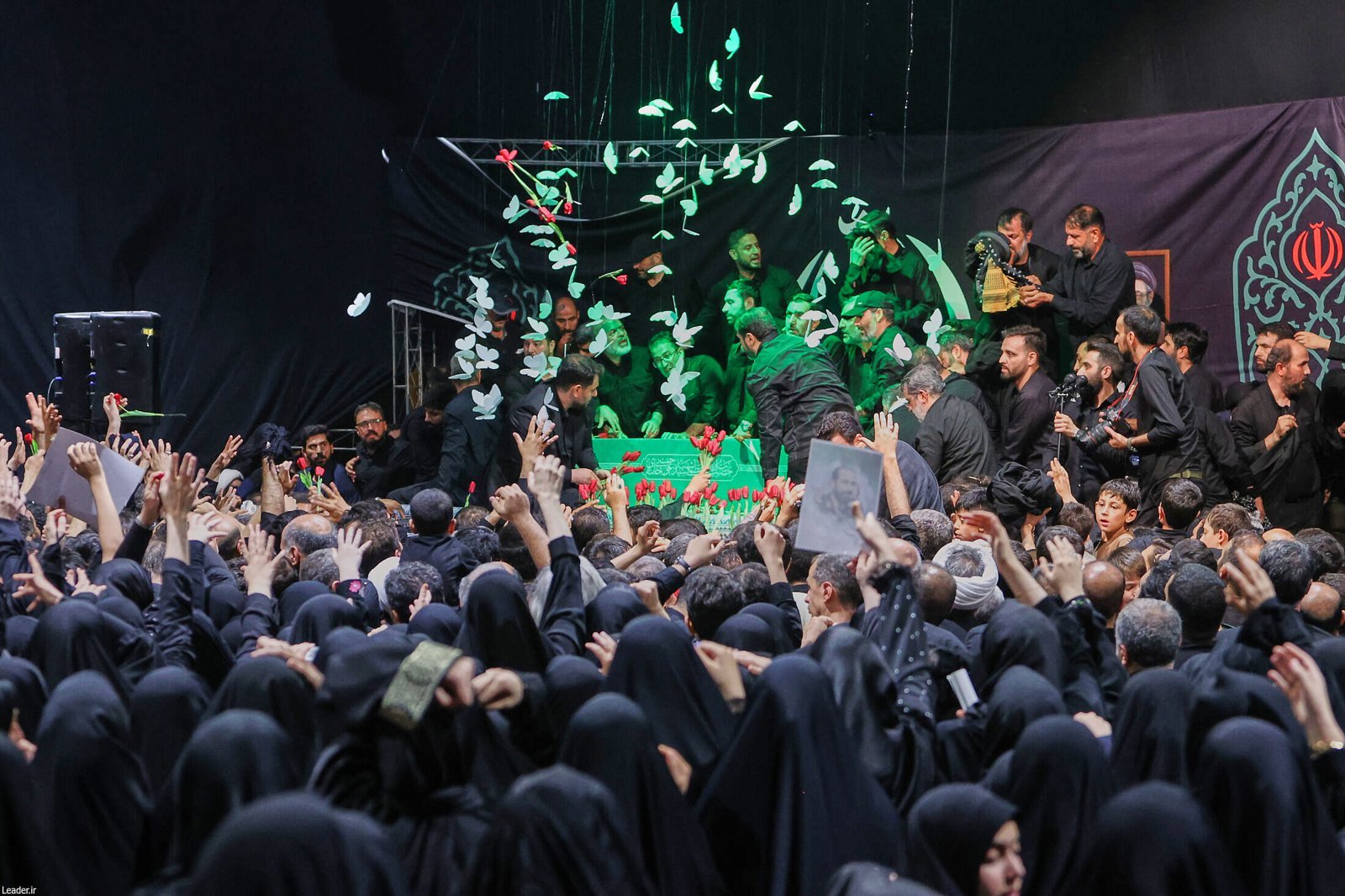
Iran is commemorating its Supreme Leader Ayatollah Ali Khamenei with a funeral procession of unprecedented scale, following his death in an attack. The ceremonies, spanning six days and five cities, are projected to attract 20 million mourners, underscoring Khamenei's significant role in the nation's political and religious landscape. The scale of the event is intended to project national unity and resilience in the face of external threats.
Imam Khamenei was our heart, our father, our everything. We will not rest until we avenge his death.
However, a notable absence is expected: Khamenei's son, Mojtaba, who was reportedly chosen as his successor, is unlikely to participate publicly in the funeral rites. Citing security concerns, Iranian authorities have reportedly barred him from attending the burial ceremony in Mashhad due to fears of assassination or capture by Israel. Mojtaba has not appeared in public since his reported selection as the new Supreme Leader in March, adding an element of uncertainty to the future leadership transition.
The funeral began in Tehran's Imam Khomeini Mosalla, where mourners gathered to pay their respects to Khamenei and other family members who also perished in the attack. Chants of "Death to America" and "Curse God upon Israel" echoed through the crowds, reflecting the deep-seated animosity towards the U.S. and Israel. Representatives from over 30 countries, including Pakistan, Russia, and China, attended the ceremony, highlighting Iran's complex geopolitical relationships.
The funeral was a missed opportunity to show unity.
Analysts suggest the extensive funeral itinerary, which includes stops in holy cities like Qom, Karbala, and Najaf, is designed to bolster Khamenei's legacy and solidify the Islamic Republic's narrative. The timing of the funeral, coinciding with the aftermath of regional conflicts and internal dissent, places the Iranian regime at a critical juncture. As noted by Rohan Albandi, a historian at the London School of Economics, Iran faces a choice between further entrenchment in its current system or a path toward greater openness.
The Iranian regime is at a crossroads, deciding whether to use this moment for reinvention or move toward a more closed system.
DistantNews Editorial
Originally published by Hankyoreh in Korean. Translated, summarized, and contextualized by our editorial team with added local perspective. Read our editorial standards.
More Stories


From Our Blog

What Gets Lost (and Found) When News Is Translated

The Critical Role of Diaspora Media in Global News

What Travellers Should Know About Countries with Restricted Press

A Digital Nomad's Guide to Following Local News

How the Same Story Looks Different in Different Countries
