

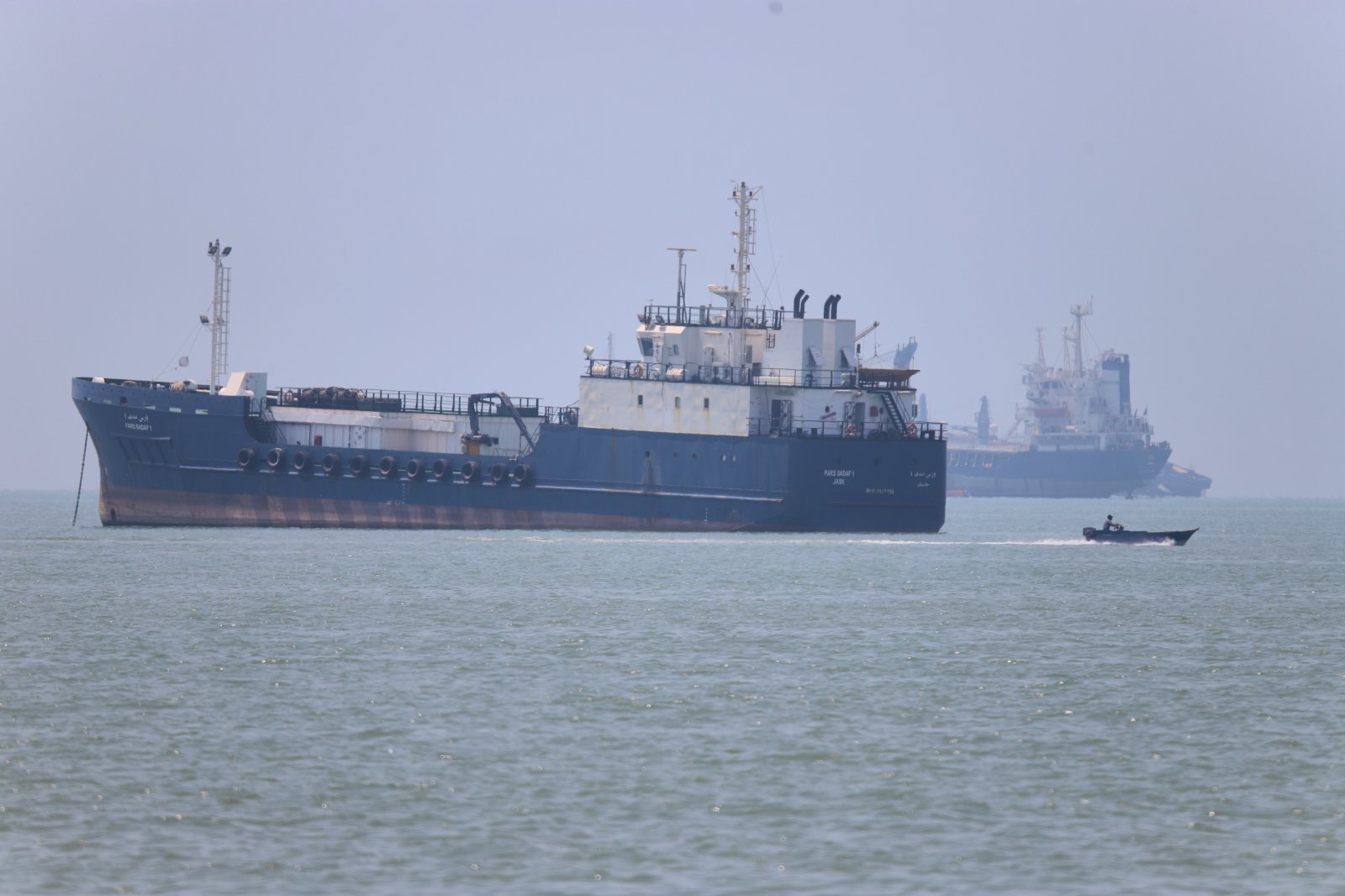

Kim Jong Un inspects destroyer Kang Gon's weapons tests, orders commissioning within two months
Translated from Korean, summarized and contextualized by DistantNews.
At a glance
News
Named sources
New plan
- North Korean leader Kim Jong Un observed weapons tests aboard the new 5,000-ton destroyer "Kang Gon," which had previously run aground during its launch ceremony.
- Kim ordered the ship to be commissioned within two months and emphasized the development of naval combat systems and expansion of shipyard capabilities.
- The Kang Gon is expected to be deployed to the West Sea, complementing the "Choi Hyon" destroyer in the East Sea, as part of North Korea's strategy to enhance its naval power and deterrence capabilities.
North Korean leader Kim Jong Un has inspected weapons systems aboard the new 5,000-ton destroyer, the "Kang Gon," and ordered its commissioning within two months. The vessel had previously experienced an incident where it ran aground during its launch ceremony last year.
The Central TV reported on May 5th that Kim Jong Un observed tests of the destroyer's missile and naval gun systems on May 3rd. According to the Korean Central News Agency, the tests were part of an evaluation process to confirm the combat applicability of the ship's various weapon systems. The inspection included assessing the vessel's target detection and information processing capabilities, as well as its integrated firepower system. Following naval gun firing, a strategic cruise missile was launched. This missile is believed to be part of the "Hwasal" series, which North Korea intends to equip on new destroyers like the Choi Hyon and Kang Gon for maritime nuclear deterrence.
The South Korean Joint Chiefs of Staff confirmed that they detected cruise missiles launched from the Kang Gon into the East Sea on July 3rd, and that detailed specifications are being analyzed by South Korean and U.S. intelligence. Kim Jong Un reportedly stated that the recent trends in North Korea's weapons development confirm the potential of its homegrown naval combat system, offering significant possibilities for enhancing the strategic readiness of its armed forces.
The recent trends in our weapons system development confirm the potential of the development of our own naval combat system, and this provides great possibilities in changing the readiness posture of our military's strategic actions.
Kim also outlined "phased tasks" for developing various maritime and underwater combat systems and deploying them in military operational zones, in line with the party's strategic objectives for national defense. He recalled the decisions from the Workers' Party Central Committee's second plenary meeting of the 9th term, which focused on strengthening the navy and expanding shipyard capacities. Kim emphasized that the state would take measures to bolster the navy's role in defending maritime sovereignty and exercising war deterrence.
Analysts suggest that "military operational zones" likely encompass areas where adversaries' military assets are deployed, as well as North Korea's corresponding operational areas. The "phased tasks" may indicate a roadmap for gradually expanding the navy's operational reach from coastal waters to near seas, and eventually to distant waters. This could involve operations around the Korean Peninsula, near Japan, and potentially even within the operational areas of U.S. carrier strike groups in the Western Pacific. Kim instructed the navy to commission the Kang Gon within two months, with potential launch dates aligning with the 78th anniversary of North Korea's founding on September 9th or the "Military Parade Day" on August 25th. The commissioning of the Kang Gon, about a year after its grounding incident, would mark its practical deployment.
The 'phased tasks' expression is presumed to mean that North Korea has a roadmap to gradually expand its naval operational areas from 'coastal waters → near seas → open seas,' and in the short term, it implies operations in nearby waters such as the West Sea NLL and near seas of the East Sea, in the medium term, waters around Japan, and in the long term, extending to the operational areas of U.S. carrier strike groups in the Western Pacific.
DistantNews Editorial
Originally published by Hankyoreh in Korean. Translated, summarized, and contextualized by our editorial team with added local perspective. Read our editorial standards.
More Stories


From Our Blog

What Gets Lost (and Found) When News Is Translated

The Critical Role of Diaspora Media in Global News

What Travellers Should Know About Countries with Restricted Press

A Digital Nomad's Guide to Following Local News

How the Same Story Looks Different in Different Countries
