


Math Professor Lê Anh Vinh Finds Success and Joy in Writing Children's Books
Translated from Vietnamese, summarized and contextualized by DistantNews.
At a glance
Interview
Sources not specified
Context piece
- GS.TS Lê Anh Vinh, a mathematics professor and youngest Vietnamese professor, has authored popular children's books.
- His book "The Robot Who Thought He Was Human" was featured in a 2026 high school entrance exam.
- Vinh's journey into children's literature began with bedtime stories for his own children.
GS.TS Lê Anh Vinh, a distinguished figure in Vietnamese academia, has achieved notable success not only as the youngest professor in Vietnam and head of the Vietnam Institute of Educational Sciences but also as a beloved author of children's literature. His academic achievements include earning a doctorate in mathematics from Harvard University at the young age of 27.
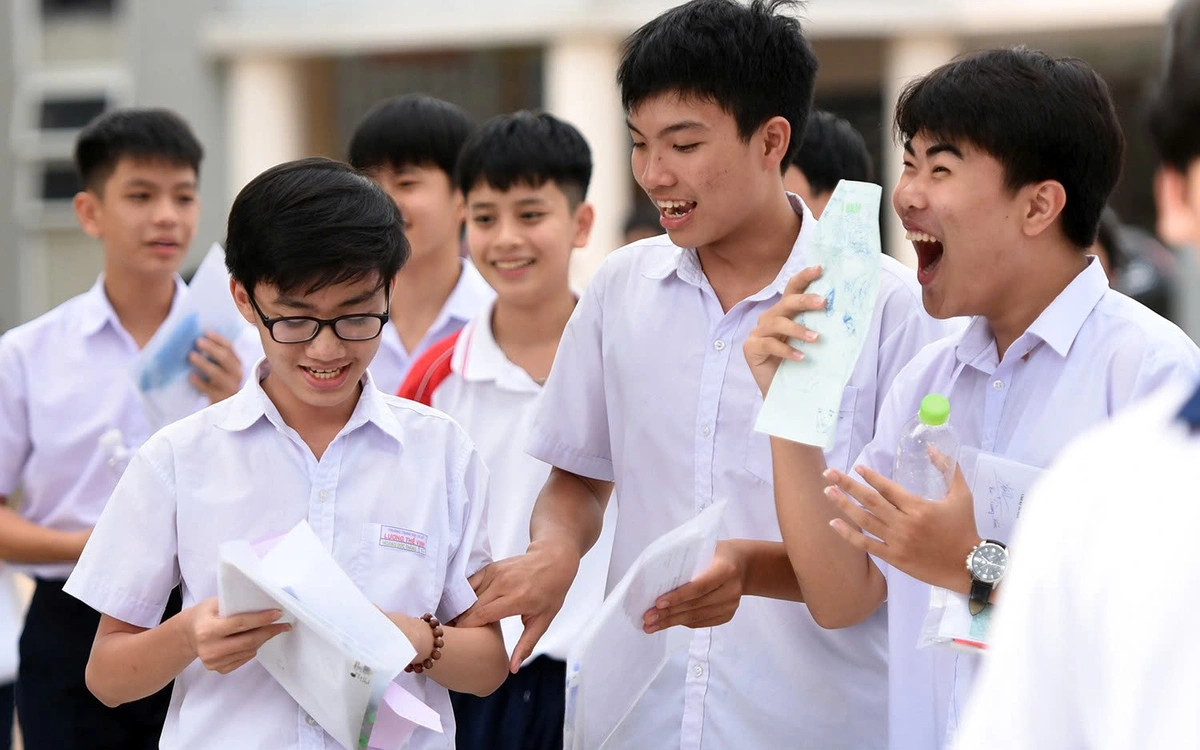
Vinh's foray into writing for children has garnered significant recognition. His children's book, "The Robot Who Thought He Was Human," was recently selected as a text for the Vietnamese language exam for the 2026 high school entrance examination in Ho Chi Minh City. This follows previous accolades, including an honorable mention at the 2023 National Book Awards for the series "Happy Children," which he co-authored.
When I have children, my children really liked listening to stories every night. At first, I read stories to my children, but then they didn't like listening to reading anymore and asked their dad to tell them himself.
Reflecting on his transition from mathematics and education to children's literature, Vinh shared that his writing was inspired by his own children. He began by reading them stories, but soon found himself creating original tales based on their nightly requests. These stories often incorporated elements of science and everyday knowledge, illustrating how even small pieces of information learned at school could be useful in life.
Challenging the stereotype that mathematicians lack literary talent, Vinh embraces his dual passions. He believes that his approach to writing, which is often free-flowing and imaginative, differs from more rigid, formulaic writing styles. This unique perspective, he feels, allows him to connect with young readers in a meaningful way, making complex ideas accessible and engaging through storytelling.
I think this is a rather interesting prejudice and perhaps not entirely unreasonable if you look at the learning experiences of many generations.
DistantNews Editorial
Originally published by Tuổi Trẻ in Vietnamese. Translated, summarized, and contextualized by our editorial team with added local perspective. Read our editorial standards.
More Stories


From Our Blog

What Gets Lost (and Found) When News Is Translated

The Critical Role of Diaspora Media in Global News

What Travellers Should Know About Countries with Restricted Press

A Digital Nomad's Guide to Following Local News

How the Same Story Looks Different in Different Countries
