

MCW urges SPRM to investigate alleged petroleum cargo discrepancies at Tanjung Langsat
Translated from Malay, summarized and contextualized by DistantNews.
At a glance
News
Named sources
Under investigation
- Malaysia's Anti-Corruption Watch (MCW) urges the Malaysian Anti-Corruption Commission (SPRM) to investigate alleged discrepancies in petroleum cargo documentation at Tanjung Langsat Port.
- The discrepancies reportedly involve millions of ringgit and could lead to trade fraud, tax evasion, smuggling, and money laundering.
- MCW calls for strengthened cross-checking mechanisms and accelerated digitization of the petroleum supply chain to enhance transparency and traceability.
Malaysia's Anti-Corruption Watch (MCW) has called on the Malaysian Anti-Corruption Commission (SPRM) to investigate allegations of discrepancies between bills of lading and the physical movement of petroleum cargo at Tanjung Langsat Port in Johor. These alleged discrepancies involve transactions worth millions of ringgit.
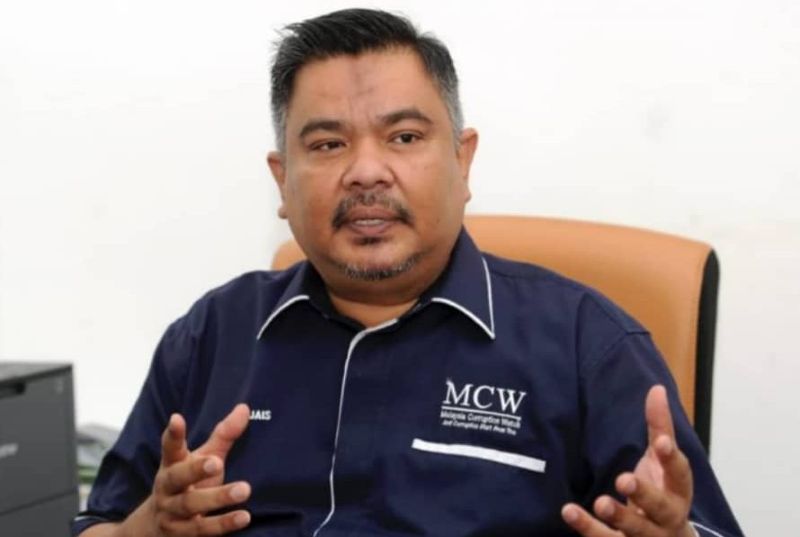
MCW President Jais Abdul Karim stated that if the claims of discrepancies between the bill of lading documentation and the actual cargo movement are founded, it could open the door to various forms of misconduct. He emphasized that the SPRM should give immediate attention to these allegations if elements of corruption, abuse of power, or document forgery are involved.
If the allegations have a basis and are not dealt with firmly, it can open the door to various forms of misconduct, including trade fraud, document manipulation, tax and duty evasion, smuggling of petroleum products, and money laundering practices.
"If the allegations have a basis and are not dealt with firmly, it can open the door to various forms of misconduct, including trade fraud, document manipulation, tax and duty evasion, smuggling of petroleum products, and money laundering practices," Jais said in a statement. "In the petroleum industry, which involves transactions worth millions of ringgit for each shipment, any discrepancy between documents and actual cargo movement can lead to significant leakage of national revenue."
Jais further noted that this issue should not be viewed as merely a technical documentation problem. Weak internal controls and monitoring can create opportunities for corruption or abuse of power by certain parties within the logistics, enforcement, and international trade chains. The risks become more serious if data related to cargo, customs records, ship manifests, trade documents, and terminal storage records are not thoroughly and independently verified. MCW recommends strengthening cross-checking mechanisms between port data, customs records, ship monitoring systems, trade documents, and terminal storage records. They also suggest accelerating the full digitization of the petroleum supply chain to ensure real-time tracking and more effective auditing of every transaction.
In the petroleum industry, which involves transactions worth millions of ringgit for each shipment, any discrepancy between documents and actual cargo movement can lead to significant leakage of national revenue.
DistantNews Editorial
Originally published by Utusan Malaysia in Malay. Translated, summarized, and contextualized by our editorial team with added local perspective. Read our editorial standards.
More Stories


From Our Blog

What Gets Lost (and Found) When News Is Translated

The Critical Role of Diaspora Media in Global News

What Travellers Should Know About Countries with Restricted Press

A Digital Nomad's Guide to Following Local News

How the Same Story Looks Different in Different Countries
