

Measles epidemic spreads in Bangladesh, straining families amid economic crisis
Translated from Sinhala, summarized and contextualized by DistantNews.
At a glance
News
Sources not specified
Context piece
- Bangladesh is facing a measles epidemic amidst political challenges and economic crises.
- The outbreak is severely impacting families, with reports indicating that 9 out of 10 affected households have had to take out loans for treatment.
- International organizations like the Red Cross and Red Crescent are involved in studying the epidemic's economic toll, which extends beyond hospital costs.
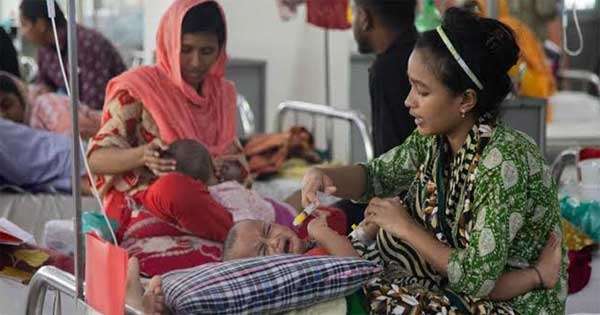
Amidst significant political challenges and widespread economic crises, Bangladesh is currently grappling with a growing measles epidemic. The outbreak is spreading across the country, placing immense strain on families already struggling with financial hardship.
Local media reports highlight the severe economic impact of the measles epidemic. A study conducted jointly by the Bangladesh Red Cross Society, the International Federation of Red Cross and Red Crescent Societies, and the Red Crescent Society revealed that a staggering nine out of every ten affected families have been forced to borrow money to cover the costs of medical treatment.
While government hospitals provide free treatment, the financial burden on families extends far beyond direct medical expenses. The economic fallout from the epidemic includes indirect costs and loss of income, exacerbating the existing economic vulnerabilities within the country. The situation underscores the complex interplay between public health crises and economic instability, particularly in developing nations.
The ongoing epidemic in Bangladesh serves as a stark reminder of the challenges faced by countries dealing with simultaneous health and economic emergencies. The need for robust public health infrastructure and financial support systems is critical in mitigating the devastating effects of such outbreaks on vulnerable populations.
DistantNews Editorial
Originally published by Lankadeepa in Sinhala. Translated, summarized, and contextualized by our editorial team with added local perspective. Read our editorial standards.
More Stories

From Our Blog

What Gets Lost (and Found) When News Is Translated

The Critical Role of Diaspora Media in Global News

What Travellers Should Know About Countries with Restricted Press

A Digital Nomad's Guide to Following Local News

How the Same Story Looks Different in Different Countries
