

'Meat,' 'maid,' and 'zero out': Slang allows Russians to speak of the war in Ukraine
Translated from Czech, summarized and contextualized by DistantNews.
At a glance
Analysis
Named sources
Context piece
- Russian soldiers are using new slang terms to describe the realities of the war in Ukraine.
- Terms like 'vynulovat' (to zero out), 'sluzhebka' (a derogatory term for a female soldier or possibly a specific role), and 'myaso' (meat) reflect the brutal violence and corruption within the army.
- This military slang allows soldiers to communicate about the conflict in ways that contradict the official Russian narrative.
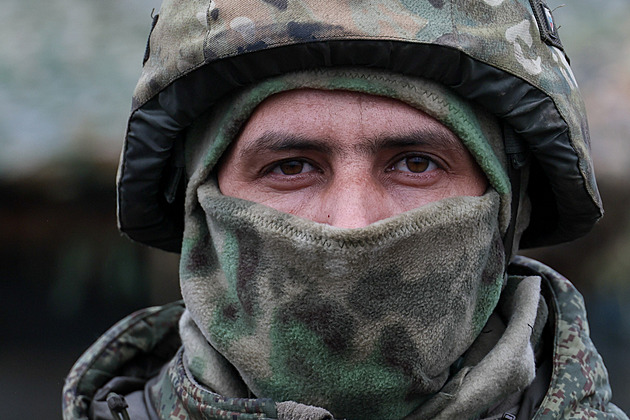
A new lexicon of military slang is emerging among Russian soldiers, offering a starkly different account of the war in Ukraine than the one presented by the Kremlin. Researchers Alexandra Arkhipova, a social anthropologist, and Yuriy Lapshin, a psychologist, identified 77 new terms in a study of 6,739 letters. These expressions, such as 'vynulovat' (to zero out, likely referring to killing or destroying), 'sluzhebka' (a term with potentially dehumanizing connotations), and 'myaso' (meat, implying expendability), reveal the brutal violence inflicted by commanders and the pervasive corruption within the armed forces. The slang is not confined to the front lines but is also used back home, providing a coded language to discuss a conflict that the Russian regime officially denies or downplays. This linguistic phenomenon offers a critical lens into the lived experiences and perceptions of soldiers grappling with the harsh realities of the battlefield, starkly contrasting with official propaganda.
vynulovat
DistantNews Editorial
Originally published by iDNES in Czech. Translated, summarized, and contextualized by our editorial team with added local perspective. Read our editorial standards.
More Stories



From Our Blog

What Gets Lost (and Found) When News Is Translated

The Critical Role of Diaspora Media in Global News

What Travellers Should Know About Countries with Restricted Press

A Digital Nomad's Guide to Following Local News

How the Same Story Looks Different in Different Countries
