


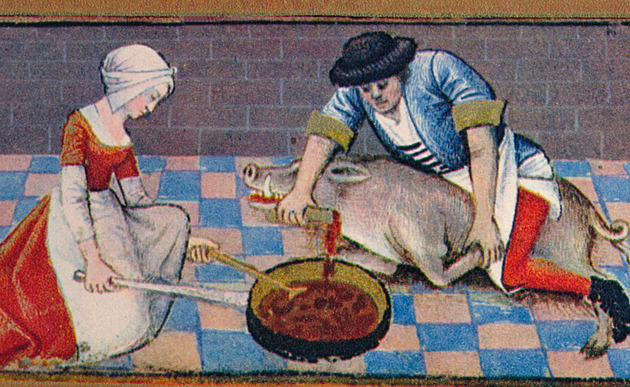
Meat Only for Men: European Plates Served Inequality for Ten Thousand Years
Translated from Czech, summarized and contextualized by DistantNews.
At a glance
Analysis
Documents & data
Context piece
- For ten thousand years, European diets reflected social inequality, with meat primarily reserved for the wealthy and men.
- A unique research study confirms this gender and class-based disparity persisted across all historical epochs.
- Food consumption patterns reveal a long-standing division on European plates, with meat serving as a marker of status.
For millennia, the food on European tables served as a stark indicator of social standing, with meat consumption acting as a significant marker of privilege. A comprehensive research study reveals that across ten thousand years of history, meat was largely inaccessible to the poorer classes, being predominantly reserved for the wealthy and, within those strata, primarily for men.
This long-standing inequality in diet underscores a persistent social hierarchy. While grains and legumes formed the staple for the less affluent, meat was a symbol of status and power. The research highlights that this division was not confined to specific periods but was a consistent feature throughout European history.
The findings demonstrate a deep-rooted disparity in gendered access to food resources. Even within privileged circles, men were favored consumers of meat, reinforcing patriarchal structures. This historical analysis of European diets paints a picture of a society where access to certain foods was intrinsically linked to both social class and gender.
DistantNews Editorial
Originally published by iDNES in Czech. Translated, summarized, and contextualized by our editorial team with added local perspective. Read our editorial standards.
More Stories



From Our Blog

What Gets Lost (and Found) When News Is Translated

The Critical Role of Diaspora Media in Global News

What Travellers Should Know About Countries with Restricted Press

A Digital Nomad's Guide to Following Local News

How the Same Story Looks Different in Different Countries
