

Mecklenburg-Vorpommern leader defends reduced VAT for restaurants
Translated from German, summarized and contextualized by DistantNews.
At a glance
News
Sources not specified
Context piece
- Mecklenburg-Vorpommern's Minister-President Manuela Schwesig opposes calls to end the reduced VAT rate for the gastronomy sector.
- Schwesig argues the lower rate is crucial for the industry to cope with rising costs and low demand, stating that frequent policy changes create uncertainty.
- The gastronomy sector in Mecklenburg-Vorpommern is a significant employer, but industry data shows rising insolvencies despite the tax relief.
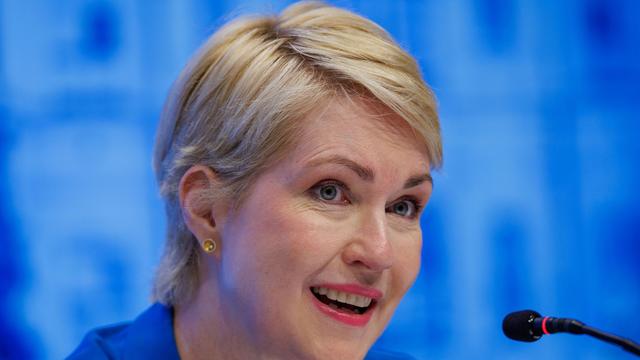
Mecklenburg-Vorpommern's Minister-President Manuela Schwesig has pushed back against proposals to reinstate the full value-added tax rate for the gastronomy sector. She stated that the reduced VAT rate provides essential relief for hotels and restaurants, helping them manage increased personnel and energy expenses, as well as flagging demand issues. Schwesig criticized the frequent policy shifts from the federal government, arguing they unsettle both the public and businesses.
The reduced value-added tax rate is an important relief for the hotel and catering industry.
"The almost daily new proposals and the constant back and forth at the federal level unsettle people and the economy," Schwesig said. She affirmed that Mecklenburg-Vorpommern remains committed to the reduced VAT rate for its hospitality industry. The sector is a key economic driver in the state, generating approximately 3.5 billion euros in revenue and employing over 55,000 people, according to the industry association Dehoga.
The almost daily new proposals and the constant back and forth at the federal level unsettle people and the economy.
However, Monika Schnitzer, one of the "economic wise women" and chairwoman of the German Council of Economic Experts, pointed to the significant cost of the tax break. She told Der Spiegel that the relief costs around 3.4 billion euros annually and has not effectively saved rural inns as promised. Schnitzer suggested that large chains like McDonald's and Burger King have benefited disproportionately, calling it "one of the most superfluous subsidies in a long time."
It costs around 3.4 billion euros per year and, as far as we know, does not save the rural inns as promised.
Insolvencies within the industry have risen for the fourth consecutive year in 2025, according to an analysis by the credit rating agency Creditreform. The VAT on food was lowered from 19% to 7% at the beginning of the year to support the gastronomy sector.
This is one of the most superfluous subsidies in a long time.
DistantNews Editorial
Originally published by Die Zeit in German. Translated, summarized, and contextualized by our editorial team with added local perspective. Read our editorial standards.
More Stories

From Our Blog

What Gets Lost (and Found) When News Is Translated

How the Same Story Looks Different in Different Countries

The Critical Role of Diaspora Media in Global News

What Travellers Should Know About Countries with Restricted Press

A Digital Nomad's Guide to Following Local News
