


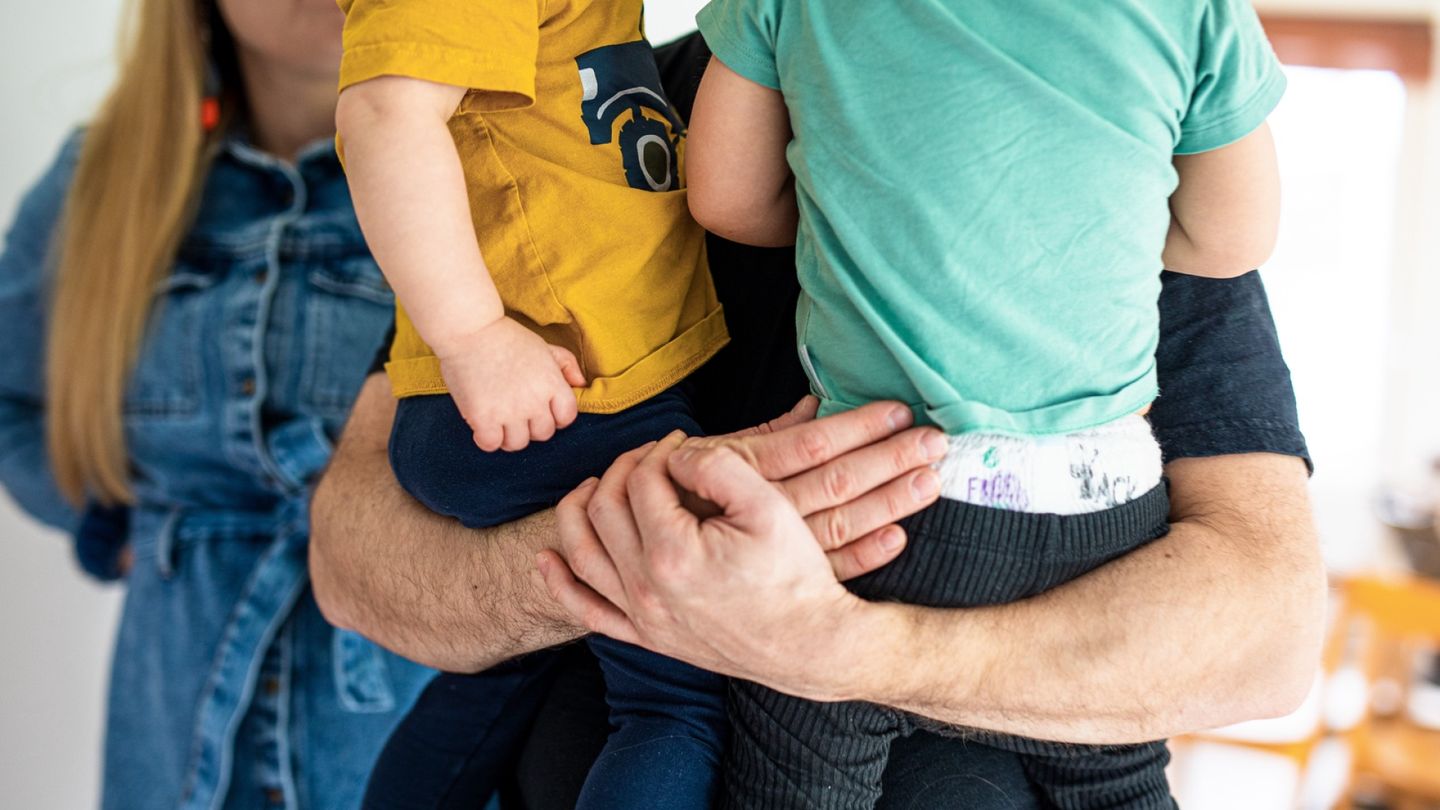
Men face workplace threats over parental leave after Finland reform
Translated from Finnish, summarized and contextualized by DistantNews.
At a glance
News
Sources not specified
Context piece
- Unions report increased discrimination against men taking parental leave after Finland's 2022 family leave reform.
- Employers have shown reluctance and outright discrimination, with men facing threats of termination and loss of promotions.
- Experts suggest a lack of familiarity with parental leave in male-dominated fields contributes to the issue, despite legal protections.
Men in Finland are facing increased discrimination at work after taking parental leave, according to unions. The Finnish Union of Experts and the Union of Professional Engineers in Finland report a significant rise in men contacting them with concerns since the 2022 family leave reform.
Problems that women have long faced have now shifted to men.
Men have reported employers' hesitant attitudes toward parental leave and outright discrimination. "Problems that women have long faced have now shifted to men," said Susanna Bairoh, research manager at the Union of Professional Engineers in Finland. Kosti Hyyppä, equality specialist at the Finnish Union of Experts, noted that discrimination experienced by men can be even harsher than that faced by women.
Reports include men being denied parental leave or threatened with job termination. Upon returning to work, their positions have sometimes been given to others, and promotions and pay raises have been withheld. Hyyppä suggested that male-dominated industries may not yet be accustomed to parental leave, leading to a lack of established practices or experience.
Men have been denied parental leave or their employment relationships have been threatened with termination.
The increased discrimination is not surprising to the unions, as the reform nearly doubled fathers' share of all parental leaves. Kela statistics show that these leaves are also longer than before. However, experts find the continued prevalence of discrimination related to parental leave surprising, though women still experience it most frequently. This is a serious problem, they stated.
One explanation may be that male-dominated fields are not yet accustomed to family leaves.
Hyyppä mentioned that men often contact union lawyers before taking leave, unlike mothers who usually do so upon returning to work. This indicates men's concerns about career and salary development, which he stated are not unfounded. Bairoh's research indicates that parental leave can affect salary development for up to a decade after the leave, though this still primarily affects women. The Finnish Union of Experts believes that those returning from parental leave need better legal protection than currently provided, as simply having the right to return to one's previous role, as stated in law, appears insufficient.
The law states the right to return to the previous position, but that does not seem to be enough.
DistantNews Editorial
Originally published by Helsingin Sanomat in Finnish. Translated, summarized, and contextualized by our editorial team with added local perspective. Read our editorial standards.
More Stories



From Our Blog

What Gets Lost (and Found) When News Is Translated

The Critical Role of Diaspora Media in Global News

What Travellers Should Know About Countries with Restricted Press

A Digital Nomad's Guide to Following Local News

How the Same Story Looks Different in Different Countries
