


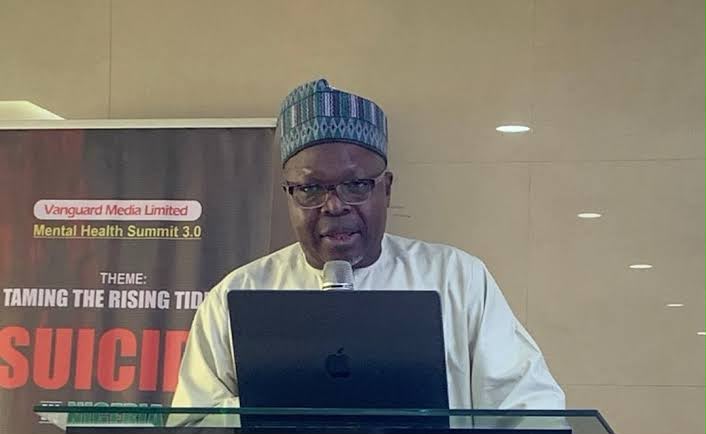
Mental health crisis: Fewer than 300 psychiatrists serve over 200m Nigerians — Sheikh
Summarized and contextualized by DistantNews.
At a glance
News
Named sources
Context piece
- Nigeria faces a severe mental health crisis with fewer than 300 psychiatrists for over 200 million people.
- A professor highlighted the shortage of professionals, inadequate funding, and poor access to community services as key issues.
- He urged the urgent implementation of the Mental Health Act and stronger policy, financing, and legislative reforms.
Nigeria is grappling with a deepening mental health crisis, exacerbated by a critical shortage of psychiatrists, with fewer than 300 professionals serving a population exceeding 200 million.
Professor Taiwo Lateef Sheikh, a psychiatry expert at Ahmadu Bello University, identified the severe lack of mental health professionals, insufficient funding, and limited access to community-based services as primary drivers of the widening gap in care. He emphasized that mental health remains a neglected area in healthcare, particularly across Africa, despite its significant impact on individuals, families, communities, and national economies.
Legislation provides the skeleton, policy provides the direction, and financing provides the muscle. Closing the mental health systems gap requires all three to move together.
Speaking at a public lecture on mental health leadership and advocacy, Sheikh called for the immediate implementation of Nigeria's Mental Health Act, signed into law in December 2022. He stressed that the act's effectiveness hinges on adequate funding, trained personnel, functional services, and robust implementation, stating, "Legislation provides the skeleton, policy provides the direction, and financing provides the muscle. Closing the mental health systems gap requires all three to move together."
Sheikh pointed out that mental health services are predominantly concentrated in federal tertiary psychiatric hospitals, often inaccessible to many in need. He also noted that despite recognizing mental health as part of primary healthcare, services remain largely unavailable at this level. The shortage extends to other professionals like psychologists and psychiatric nurses, who are sometimes reassigned due to a lack of functional mental health units. He expressed concern over the meager financing, with mental health receiving less than 3.5 percent of the health budget, and over 90 percent of these funds allocated to hospitals, an arrangement he deemed unsustainable for achieving universal health coverage.
Without legislation, policy is just paper. Without policy, legislation has no direction.
DistantNews Editorial
Originally published by Vanguard. Summarized and contextualized by our editorial team with added local perspective. Read our editorial standards.
More Stories


From Our Blog

How the Same Story Looks Different in Different Countries

What Gets Lost (and Found) When News Is Translated

The Critical Role of Diaspora Media in Global News

What Travellers Should Know About Countries with Restricted Press

A Digital Nomad's Guide to Following Local News
