


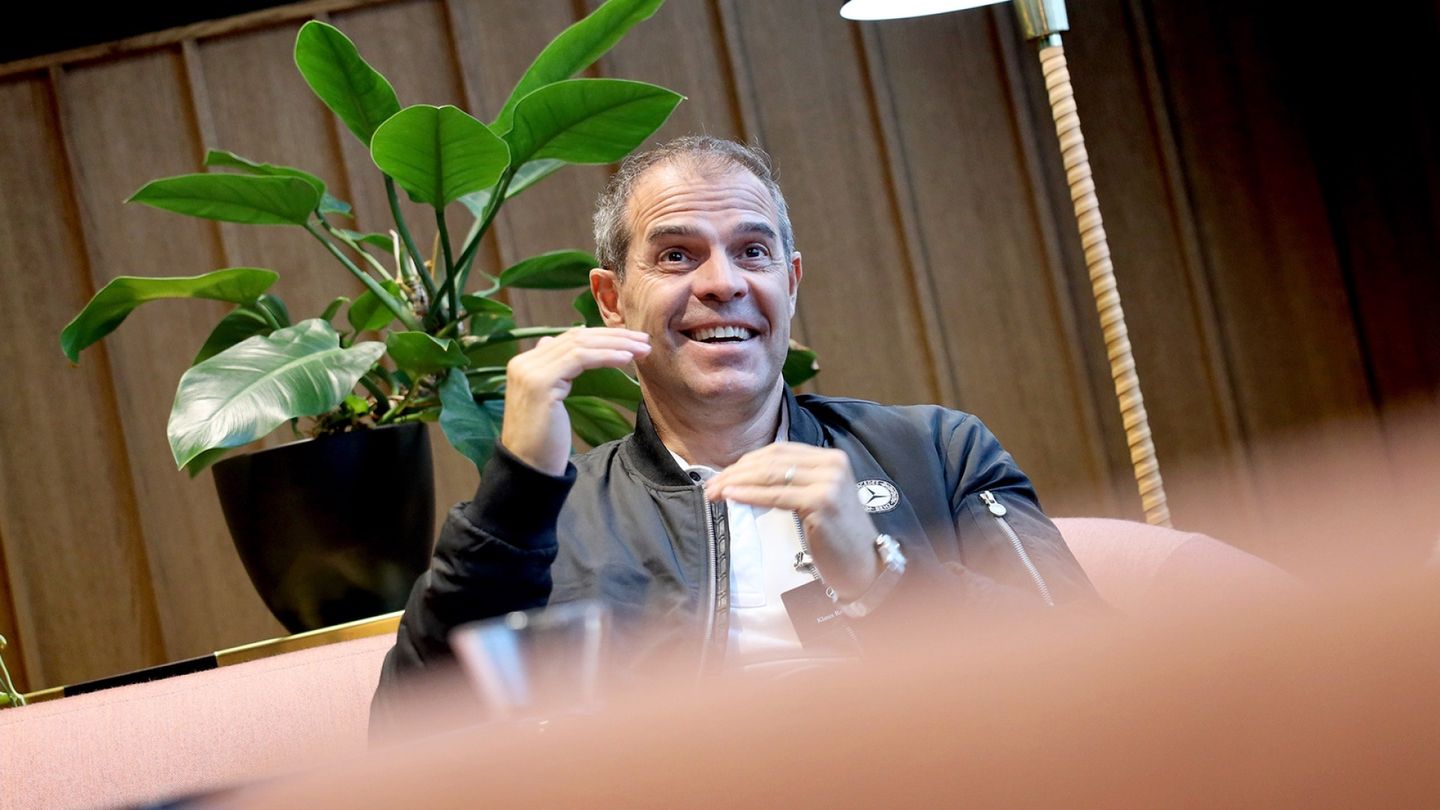
Mercedes-Benz Executive Defends 40-Hour Work Week Proposal Without Extra Pay
Translated from Finnish, summarized and contextualized by DistantNews.
At a glance
News
Sources not specified
Context piece
- Mercedes-Benz executive Klaus Rehkugler explained a proposal to increase the work week to 40 hours without additional pay in Germany.
- The plan aims to boost productivity and secure the long-term viability of factories amid industry challenges.
- Rehkugler highlighted China's market, where 70% of new cars are electric, noting the company needs to expand its EV offerings there.
Mercedes-Benz is proposing a significant change to its German workforce's working hours, suggesting a shift from a 35-hour to a 40-hour work week without an increase in pay. Klaus Rehkugler, a board member, defended this controversial plan, which has sparked considerable debate in Germany.
Rehkugler emphasized that the proposal is crucial for enhancing productivity and ensuring the long-term survival of the company's factories. "If we do not find new productivity-increasing measures, then I believe the factories are at risk in the long run," he stated, framing the move as a necessary adaptation to current industry pressures.
The executive also pointed to the challenging automotive market in China, where electric vehicles dominate, making up 70% of new car sales. He acknowledged that Mercedes-Benz has not yet sufficiently launched its electric vehicle lineup in that critical market, indicating a strategic need to accelerate EV development and deployment.
If we do not find new productivity-increasing measures, then I believe the factories are at risk in the long run.
DistantNews Editorial
Originally published by Helsingin Sanomat in Finnish. Translated, summarized, and contextualized by our editorial team with added local perspective. Read our editorial standards.
More Stories



From Our Blog

What Gets Lost (and Found) When News Is Translated

The Critical Role of Diaspora Media in Global News

What Travellers Should Know About Countries with Restricted Press

A Digital Nomad's Guide to Following Local News

How the Same Story Looks Different in Different Countries
