


Mercosur Trade Declines, Defying Fears of Market Flooding
Translated from Polish, summarized and contextualized by DistantNews.
At a glance
News
Named sources
Context piece
- Trade data between Poland and Mercosur countries shows a decline, contrary to fears of market flooding.
- Both imports from Mercosur to Poland and Polish exports to Mercosur have decreased month-on-month and year-on-year.
- Global factors, including the conflict in Iran and its impact on shipping and fuel prices, may be influencing trade dynamics.
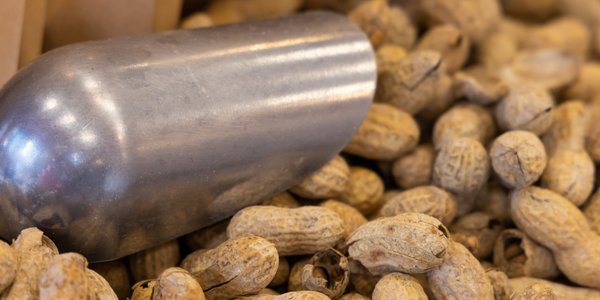
Contrary to expectations fueled by agricultural protests, the trade agreement between the EU and Mercosur has not led to an influx of cheap goods into the Polish and European markets. Recent data covering the initial months of the provisional trade agreement shows a decline in trade, rather than the feared surge. For Poland, agricultural and food imports from Mercosur countries fell by 11.3% in June 2026 compared to May 2026, totaling 124.7 million euros. Specific imports like tobacco, peanuts, coffee concentrates, fish fillets, and soybean meal have decreased. This import level is also 12.4% lower than the average monthly trade in 2025. Polish agricultural and food exports to Mercosur have seen an even sharper decline, dropping 12% from May to June 2026, reaching 5.1 million euros. This represents a 26.3% decrease compared to the 2025 monthly average. Experts caution that two months of data are insufficient to draw definitive conclusions about the agreement's long-term effects. Professor Łukasz Ambroziak from the Institute of Agricultural and Food Economics highlights the importance of monitoring imports into the broader EU market, particularly sensitive goods like beef, poultry, and sugar. A significant influx of these products could create competition for Polish goods within the EU. The current global situation, including the conflict in Iran and its disruption of maritime transport and increased fuel costs, is also cited as a potential factor influencing these trade trends.
Yes, as I have already written, two months is definitely too short to assess the effects of the agreement.
DistantNews Editorial
Originally published by Rzeczpospolita in Polish. Translated, summarized, and contextualized by our editorial team with added local perspective. Read our editorial standards.
More Stories


From Our Blog

What Gets Lost (and Found) When News Is Translated

The Critical Role of Diaspora Media in Global News

What Travellers Should Know About Countries with Restricted Press

A Digital Nomad's Guide to Following Local News

How the Same Story Looks Different in Different Countries
