


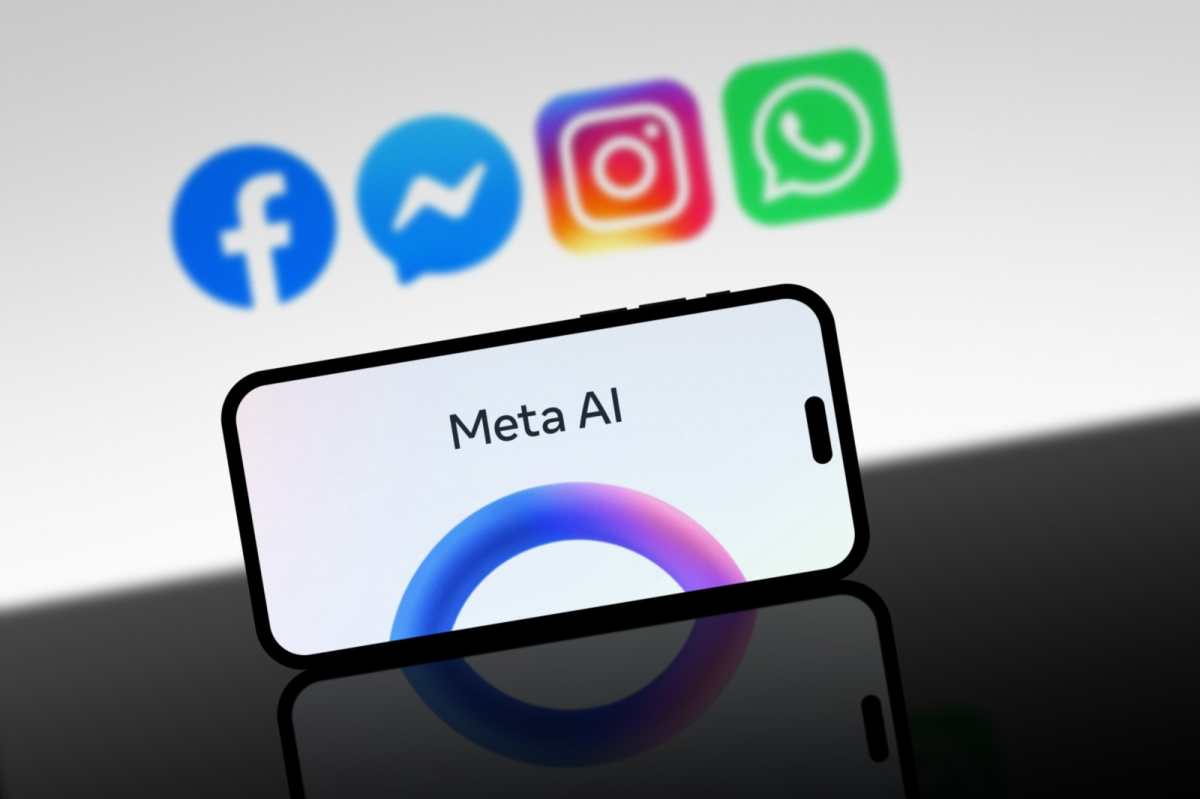
Meta's AI image generator sparks privacy fears
Translated from Spanish, summarized and contextualized by DistantNews.
At a glance
News
Sources not specified
Context piece
- Meta has launched Muse Image, its first AI image generation tool, available on Meta AI, WhatsApp, and Instagram.
- The tool faces criticism for potential privacy risks, allowing users to manipulate public profile images without explicit consent.
- Experts warn Muse Image could be a "privacy bomb," with Meta's policy allowing content creation from user images without notification.
Meta has introduced Muse Image, its inaugural AI-powered image generation tool, which is now accessible through Meta AI and integrated into WhatsApp and Instagram functionalities. The company plans to extend its availability to Facebook and Messenger.
However, the launch on July 7 has been met with significant criticism. Experts and internet users have raised alarms about potential privacy violations, citing the tool's ability to allow users to alter public profile pictures without obtaining explicit consent from the individuals depicted. Concerns have been voiced that this feature could be used to create new images by tagging other users, effectively manipulating their likeness.
Some have labeled Muse Image a "privacy bomb." A user on X cautioned that "including real users in generated photos without their explicit consent is a privacy minefield waiting to explode." Meta's privacy policy states that "content may be created with your Instagram images using AI features on Meta," and users "will not receive notice about content generated in this way." This lack of notification means individuals might not even realize their photographs are being manipulated.
This situation exacerbates existing privacy anxieties, as a Pew Research Center study cited by Radar Boricua indicates that 35% of people already feel less secure about their online privacy. The article quotes an expert urging the FTC and other bodies to "be aware of these new technologies. The regulation of AI and data privacy must be a priority."
While Meta asserts that users retain "some control" through options to disable the use of their photographs, the default setting permits free access to public photos. This has been widely interpreted as a privacy infringement, according to Infobae. Alongside Muse Image, Meta also launched Muse Spark 1.1, an AI reasoning model, and is developing Muse Video, aiming for "superintelligence" that assists users in achieving goals and creating content.
DistantNews Editorial
Originally published by Prensa Libre in Spanish. Translated, summarized, and contextualized by our editorial team with added local perspective. Read our editorial standards.
More Stories



From Our Blog

What Gets Lost (and Found) When News Is Translated

The Critical Role of Diaspora Media in Global News

What Travellers Should Know About Countries with Restricted Press

A Digital Nomad's Guide to Following Local News

How the Same Story Looks Different in Different Countries
