


Meet the Women Driving Guatemala's Quetzal-2 Satellite Project
Translated from Spanish, summarized and contextualized by DistantNews.
At a glance
In-depth
Sources not specified
New plan
- The Quetzal-2 project in Guatemala is being developed by a team of over 60 people, with 60% being women under the age of 21.
- Women are actively involved in key areas including mechanical design, manufacturing, electronics, programming, communications, outreach, and project management.
- The project aims to launch Guatemala's second satellite into space in 2028, fostering STEM careers and showcasing national talent.
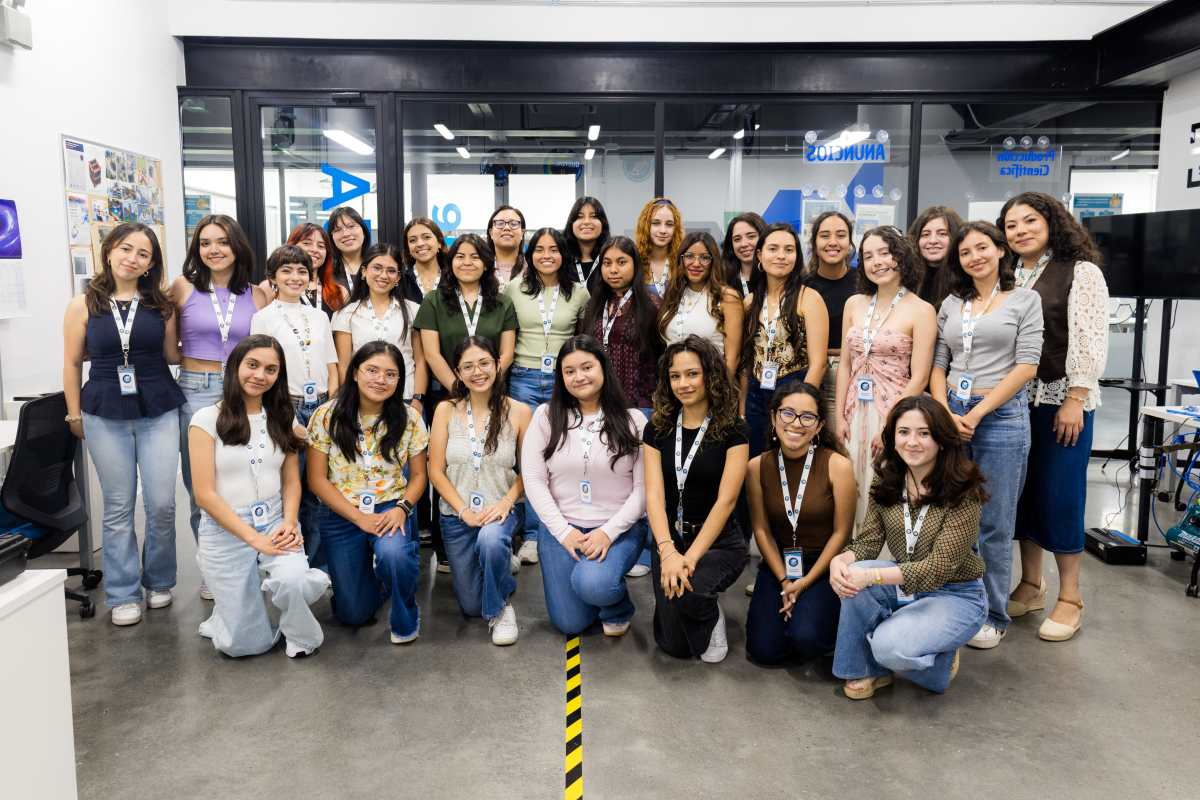
Guatemala is set to return to space with its second satellite, Quetzal-2, scheduled for launch in 2028. The ambitious project is spearheaded by a dynamic team at the UVG Aerospace Laboratory, comprising over 60 individuals with an average age of just 21. Notably, women constitute a significant 60% of the team, actively contributing to critical aspects of the satellite's development.
this trajectory has been the motor that taught me to trust my capabilities fully.
These young women are deeply engaged in diverse fields essential for Quetzal-2's success, including mechanical design, manufacturing, electronics, programming, communications, outreach, and overall project management. Their active participation challenges traditional gender roles in STEM and highlights the burgeoning talent within Guatemala.
Mercedes Castillo, a fourth-year Mechanical Engineering student, shared her inspiring journey. "This path has been the engine that taught me to fully trust my abilities," she stated. Castillo hopes her story will encourage more women to pursue STEM careers, emphasizing that while the path requires effort, pursuing one's dreams is worthwhile.
I want my story to serve to inspire more women to pursue STEM careers, science, technology, engineering, and mathematics, in English, and for them to know that the path requires effort, but that it is worth fighting for their dreams because there are no limits when we dare to take the first step.
Lucia del Cid, a fifth-year International Marketing & Business Analytics student, sees marketing as a strategic tool to propel science and innovation. "Being part of initiatives like Quetzal-2 has allowed me to unite my passion for marketing with a greater purpose: to inspire, communicate, impact, and give visibility to the enormous talent that exists in our country," she explained.
My motivation to be part of the UVG Aerospace Laboratory stems from the desire to demonstrate that marketing is much more than advertising or sales. For me, it is a strategic tool, capable of driving science, innovation, and technology in Guatemala, connecting people with projects that have the power to transform the future.
Daphnne Juárez, a third-year Mechanical Engineering student, underscored the collaborative nature of the project. "I learned that there is no single way to contribute: someone can design parts, program, run tests, or even plan workshops to disseminate the project," she said. The team's collective effort and diverse skill sets are crucial for bringing Quetzal-2 to fruition, demonstrating that significant achievements are possible through teamwork and shared vision.
Being part of initiatives like Quetzal-2 has allowed me to unite my passion for marketing with a greater purpose: to inspire, communicate, impact, and give visibility to the enormous talent that exists in our country.
DistantNews Editorial
Originally published by Prensa Libre in Spanish. Translated, summarized, and contextualized by our editorial team with added local perspective. Read our editorial standards.
More Stories

From Our Blog

What Gets Lost (and Found) When News Is Translated

The Critical Role of Diaspora Media in Global News

What Travellers Should Know About Countries with Restricted Press

A Digital Nomad's Guide to Following Local News

How the Same Story Looks Different in Different Countries
