


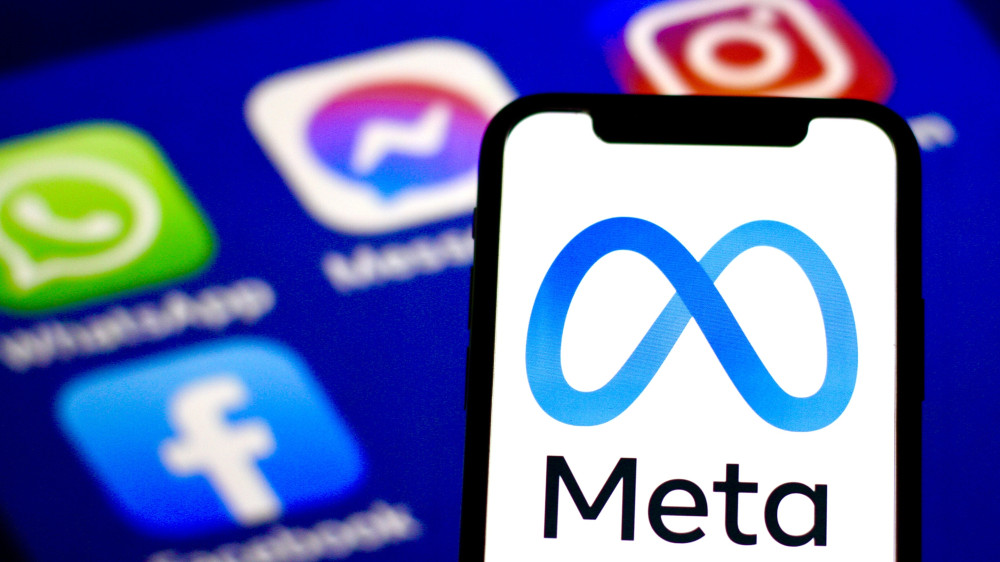
Meta's new AI image tool sparks privacy concerns over use of public photos
Translated from English, summarized and contextualized by DistantNews.
At a glance
News
Sources not specified
Context piece
- Meta has launched Muse Image, an AI tool integrated into Meta AI, Instagram Stories, and WhatsApp, allowing users to generate and edit images from text descriptions.
- The feature allows users to create images from text, edit photos, and visualize concepts, with plans to integrate it into Facebook Marketplace.
- Controversy surrounds the tool''s ability to use photos from public Instagram profiles without the original owner's explicit consent, raising privacy and legal concerns.
Meta has introduced Muse Image, formerly codenamed "Mango," a new AI-powered image generation and editing tool. Available through the Meta AI app and integrated into Instagram Stories and WhatsApp, the service enables users to create images from text prompts, modify existing photos, and apply various artistic styles. It can also be used for creating advertising visuals or visualizing products, such as how a sofa might look in a room.
It depends on which rights we are discussing. This involves the right to one's likeness, copyright, and personal data. However, the mere fact of using someone else's image, even via AI, is not always automatically deemed a violation.
The company intends to incorporate Muse Image into Facebook Marketplace in the future and is also rolling out new AI effects for Instagram Stories powered by the same technology. While a certain limit of free image generation will be offered, users will eventually require a subscription for continued use. Meta is reportedly also developing a video generation tool called Muse Video.
The rollout has sparked significant controversy, primarily due to Muse Image's capability to utilize photos from public Instagram profiles. Users can tag an account and use an image from a public profile to generate new AI creations without notifying or obtaining prior consent from the original photo owner. This feature is enabled by default for public profiles, although users can opt out via privacy settings.
Currently, there are certain gaps in our legislation. Essentially, much of this is permitted until an individual actively begins to defend their rights and file claims.
This functionality has reignited debates about the legality of using personal photos without explicit consent. Kristina Grinberg, head of a private law firm, commented on the situation, noting that while image generation technology itself is not illegal, the use of third-party photographs raises serious concerns regarding the right to one's likeness, copyright, and personal data. She highlighted that legislation is struggling to keep pace with technological advancements, creating "gaps in our legislation" where much is permitted until individuals actively defend their rights. Grinberg pointed out that such practices are more strictly regulated in the European Union, where an identifiable person's photograph is considered personal data, requiring a legal basis for processing.
If a photograph allows for the identification of a person, it is considered personal data. Consequently, the processing of such an image must have a legal basis.
DistantNews Editorial
Originally published by Tengrinews in English. Translated, summarized, and contextualized by our editorial team with added local perspective. Read our editorial standards.
More Stories


From Our Blog

What Gets Lost (and Found) When News Is Translated

The Critical Role of Diaspora Media in Global News

What Travellers Should Know About Countries with Restricted Press

A Digital Nomad's Guide to Following Local News

How the Same Story Looks Different in Different Countries
