

Mette F. Aims to Prove Herself to Danes with Pesticide Ban Talks
Translated from Danish, summarized and contextualized by DistantNews.
At a glance
News
From a news agency
New plan
- Danish Prime Minister Mette Frederiksen prioritizes negotiations for a national pesticide ban, fulfilling a key election promise.
- Frederiksen stated that the pesticide ban was a clear mandate from voters in the last general election.
- The government plans to introduce a bill for the ban on vulnerable groundwater areas this year, aiming to protect drinking water.
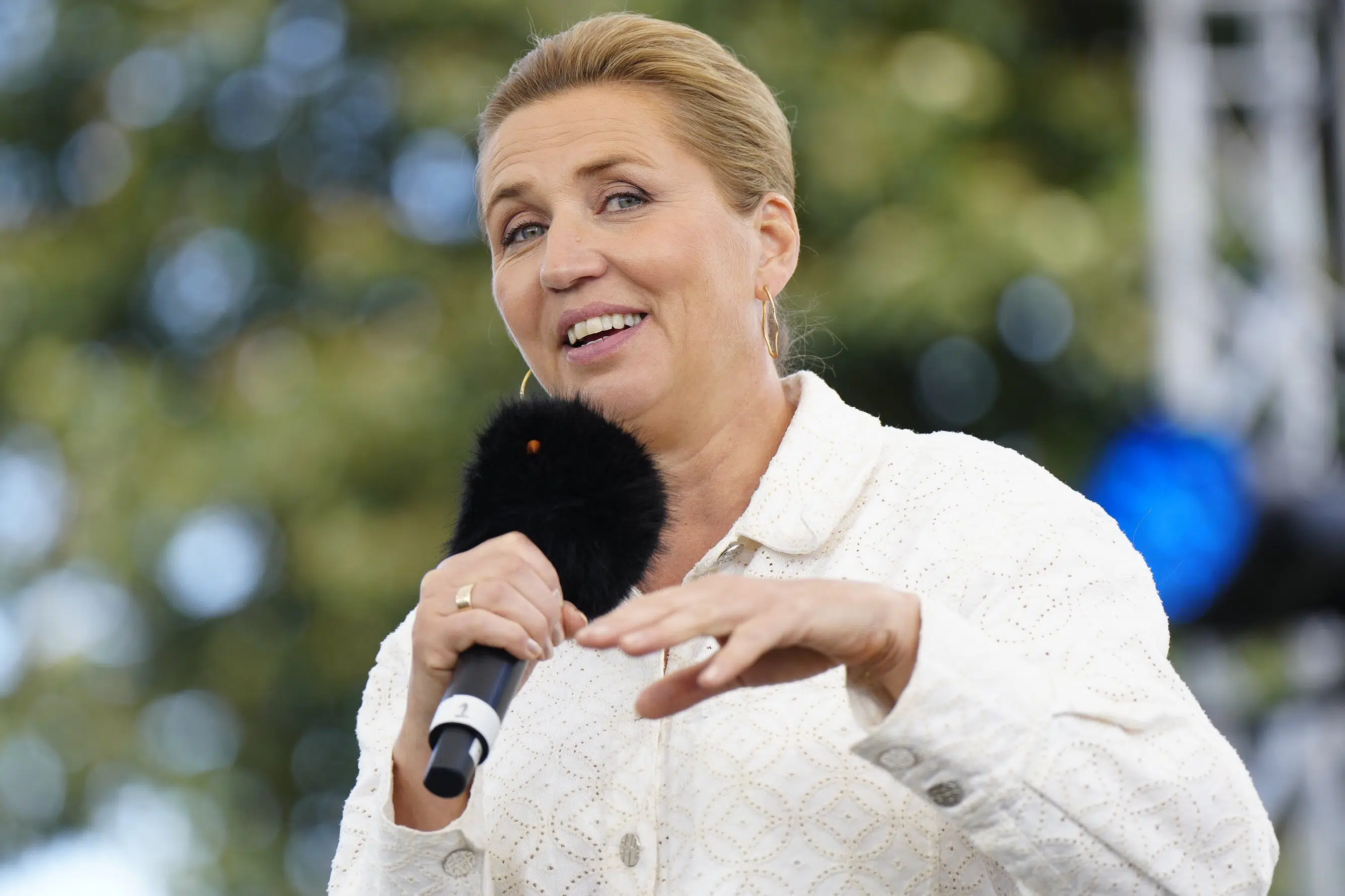
Danish Prime Minister Mette Frederiksen is pushing forward with a national pesticide ban, framing it as a top government priority and a fulfillment of promises made during the last general election. Speaking at the Folkemødet festival, Frederiksen emphasized that the desire for such a ban was a clear message from the Danish people.
If there was one thing that was clear after this general election, it was your wish for a national pesticide ban.
"If there was one thing that was clear after this general election, it was your wish for a national pesticide ban," Frederiksen told the audience. "When you say it was the election's mandate, we deliver on that." She expressed hope that Danes would see the government living up to its "democratic contract."
When you say it was the election's mandate, we deliver on that.
The government intends to initiate negotiations with parliamentary parties on the ban before the summer break. Frederiksen announced that a legislative proposal would be presented "already this year," aligning with the government's platform. This initiative aims to address concerns over the protection of groundwater, which she noted has not been adequately managed despite years of voluntary agreements and cooperation with the agricultural sector.
I hope that the Danes can see that the government is living up to the democratic contract.
The issue of drinking water became a significant topic during the 2026 election campaign. Several parties advocated for a national ban in vulnerable groundwater-forming areas, which encompass approximately 160,000 hectares of agricultural land, or about 3.7 percent of Denmark's total area. The government's plan targets these sensitive zones, which also include areas with sludge and contaminated soil.
Action must be taken, before it is too late.
DistantNews Editorial
Originally published by Berlingske in Danish. Translated, summarized, and contextualized by our editorial team with added local perspective. Read our editorial standards.
More Stories


From Our Blog

What Gets Lost (and Found) When News Is Translated

The Critical Role of Diaspora Media in Global News

What Travellers Should Know About Countries with Restricted Press

A Digital Nomad's Guide to Following Local News

How the Same Story Looks Different in Different Countries
