


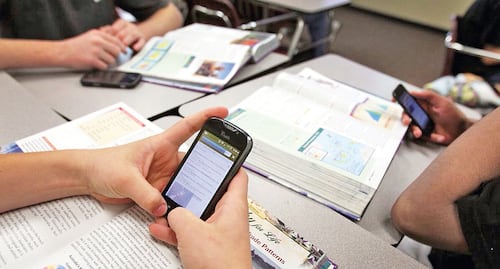

Mexican Internet Association Calls for Smart School Phone Rules, Rejects Blanket Ban
Translated from Spanish and summarized by DistantNews. Read the original for the full story.
At a glance
News
Official statement
Context piece
- The Mexican Internet Association called for age-based, gradual regulation of mobile devices in schools instead of a blanket ban.
- It said schools should distinguish recreational student use from teachers’ pedagogical and administrative use.
- The association warned that banning phones for teachers could restrict classroom innovation and infringe on their right to disconnect outside contracted hours.
Mexico’s Internet Association is calling for “smart regulation” of mobile devices in schools rather than an absolute ban. It says any policy should account for students’ ages, involve parents and promote digital literacy.
In a statement, the Asociación Mexicana de Internet said policymakers should recognize scientific evidence on the effects of excessive screen use among children. But it rejected blanket restrictions on devices, arguing that recreational use by students must be separated from teachers’ work.
smart regulation
The association said mobile phones can support teaching, real-time research and classroom innovation. They also serve as an institutional channel for immediate communication. Removing phones from teachers, it argued, could undermine labor rights and digital disconnection.
An absolute ban on teaching staff lacks a sound basis and practical viability, and could also prove counterproductive.
“An absolute ban on teaching staff lacks a sound basis and practical viability, and could also prove counterproductive,” the association said. It warned that teachers could be forced to handle school matters and administrative requests outside their contracted hours, invading their rest time.
Enrique Ortega, the association’s vice president for education and culture, said, “It is essential to distinguish recreational use from the educational potential of technology. Banning devices for teaching staff not only limits innovation in the classroom, but violates their labor rights and their right to digital disconnection by forcing them to handle administrative tasks outside their contracted hours.”
It is essential to distinguish recreational use from the educational potential of technology. Banning devices for teaching staff not only limits innovation in the classroom, but violates their labor rights and their right to digital disconnection by forcing them to handle administrative tasks outside their contracted hours.
About this summary
Originally published by El Universal in Spanish. Translated, summarized, and contextualized automatically by DistantNews, with a note on how the source frames the story. Not individually reviewed before publishing. How this works.
More Stories



From Our Blog

What Press Freedom Means for the News You Read

News in Translation: What Gets Lost, and How We Keep the Framing

Diaspora Media: How Communities Follow News From Home

Traveling Where the Press Is Not Free: How to Read the News There

The Digital Nomad's Guide to Local News
