

 Image: EL UNIVERSAL
Mexico City Doubles Rent Support Budget to Nearly $170 Million Pesos
Translated from Spanish and summarized by DistantNews. Read the original for the full story.
At a glance
News
Official statement
New plan
- Mexico City's Housing Institute (INVI) has doubled its budget for rent support programs.
- The number of aid recipients will increase by 42.8%, from 33,600 to 48,000.
- The monthly average aid payment will rise from 2,800 to 4,000 pesos.
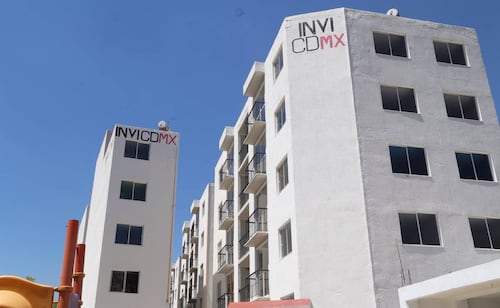
The Housing Institute of Mexico City (INVI) has significantly increased its budget for rent support programs this year, nearly doubling it from 84.4 million pesos to 168.8 million pesos. This expansion aims to assist families facing high-risk situations or those displaced by public works and government actions. The modification to the program's operational rules, published in the Official Gazette, also includes a substantial rise in the number of aid packages to be distributed throughout the year.
Initially, the program planned to provide 33,600 rent or temporary housing subsidies. However, this number has now been increased to 48,000, marking a 42.8% growth. The average monthly support payment will also see an increase, rising from 2,800 pesos to 4,000 pesos. Correspondingly, the estimated monthly budget expenditure for the program will climb from 7 million pesos to 14 million pesos.
According to INVI, the first quarter of 2026 saw 10,155 aid packages distributed with 32.2 million pesos allocated, followed by 10,674 packages in the second quarter, totaling 34.6 million pesos. The institute explained that the growing demand for social rent assistance necessitates these modifications to the target population, beneficiary numbers, and the overall authorized budget for the social program in fiscal year 2026.
With these adjustments, the program is expected to benefit approximately 4,000 additional individuals. It will provide support for rent payments or temporary lodging for those in precarious situations, due to structural, hydrometeorological, geological, or physicochemical risks, or those affected by major contingencies or public works projects. This expansion reflects a commitment to addressing housing insecurity within the capital.
The growing and significant increase in the real demand for social benefit aid for rent payment makes it convenient to modify the data of the target population and the beneficiary population, the physical goals of the number of beneficiaries and, consequently, the amount of the authorized budget for the social program in the fiscal year 2026.
About this summary
Originally published by El Universal in Spanish. Translated, summarized, and contextualized automatically by DistantNews, with a note on how the source frames the story. Not individually reviewed before publishing. How this works.
More Stories


From Our Blog

What Press Freedom Means for the News You Read

What Gets Lost (and Found) When News Is Translated

The Critical Role of Diaspora Media in Global News

What Travellers Should Know About Countries with Restricted Press

A Digital Nomad's Guide to Following Local News
