


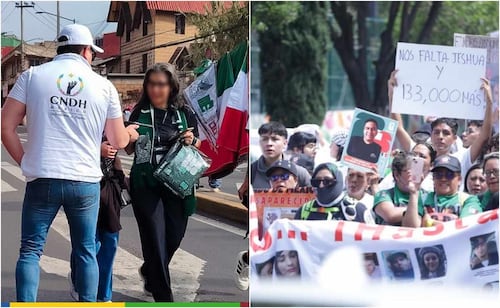
Mexico City Human Rights Commission receives four complaints over World Cup inauguration protests
Translated from Spanish, summarized and contextualized by DistantNews.
At a glance
News
Named sources
Context piece
- Mexico City's Human Rights Commission (CDHCM) reported four complaints related to protests during the World Cup inauguration.
- The commission also monitored the temporary detention of two journalists and 12 demonstrators, most of whom were later released.
- The CDHCM emphasized the need for proportional police actions and open communication channels during public demonstrations.
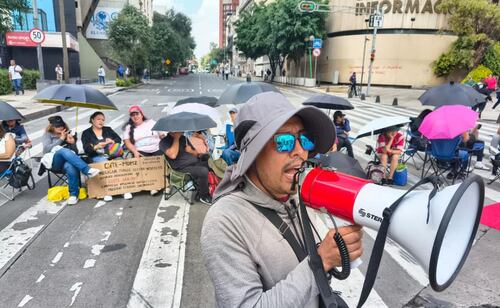
Mexico City's Human Rights Commission (CDHCM) has opened four complaints concerning protests that occurred near the Mexico City stadium during the World Cup inauguration on Thursday, June 11. The commission stated it monitored and provided support following reports of two journalists being detained by city police, though they were later released.
The CDHCM also acknowledged the detention of 12 demonstrators. Seven were handed over to a public prosecutor, four were brought before a civic judge, and one was taken to the stadium's command post. The commission stressed the importance of authorities maintaining dialogue and ensuring proportional actions, adhering to the highest standards in protest management and civil protection protocols.
Institutional presence was maintained at key locations for protests and large gatherings, including the stadium, the "Ultima Milla" perimeter, the Zocalo Fan Fest, the Angel of Independence, Paseo de la Reforma, Avenida del Iman, Periferico Sur, and 18 football festivals across the city's boroughs. Additionally, the CDHCM reported maintaining communication channels with involved institutions at civic courts and administrative sanction centers.
recognizes the importance of authorities maintaining channels of interlocution and proportional actions, based on the highest standards in the field; as well as the development of operational plans and prevention measures that adhere to current protest and civil protection protocols.
DistantNews Editorial
Originally published by El Universal in Spanish. Translated, summarized, and contextualized by our editorial team with added local perspective. Read our editorial standards.
More Stories

From Our Blog

What Press Freedom Means for the News You Read

What Gets Lost (and Found) When News Is Translated

The Critical Role of Diaspora Media in Global News

What Travellers Should Know About Countries with Restricted Press

A Digital Nomad's Guide to Following Local News
