

Mexico City launches tender to monitor elevated Trolebús viaduct structure
Translated from Spanish, summarized and contextualized by DistantNews.
At a glance
News
Official statement
New plan
- Mexico City's Electric Transport Service (STE) has launched a tender for structural monitoring of the elevated Trolebús viaduct.
- The project aims to assess the structural behavior of the elevated lines 10 and 11, particularly after cracks were observed in May.
- The viaduct is located in an area prone to seismic activity due to its position on a geological fault line.
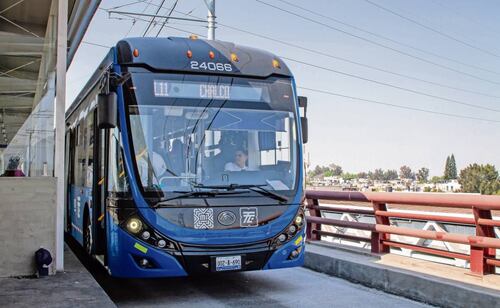
Mexico City's Service of Electric Transport (STE) has initiated a national public tender to contract services for the instrumentation and monitoring of the structural behavior of the elevated viaduct for Trolebús lines 10 and 11. The announcement was made in the Official Gazette, with the cost to acquire the bidding documents set at 20,000 pesos.
Interested parties must be registered with the Public Administration Supplier Registry of Mexico City. The bidding documents specify that proposals must be submitted in Spanish and in national currency. No advance payment will be granted, and the contract will be valid from its signing until December 31, 2026. Payments will be made for services rendered within 20 business days after the acceptance and validation of invoices, which must be properly completed and supported by documentary evidence.
This tender follows recent work in May by STE and the Secretariat of Works to review and reinforce the Trolebús elevated structure in Iztapalapa. Cracks had formed in the structure, raising concerns among local residents. The area where the viaduct is situated is known to be crossed by a geological fault line extending from the Popocatépetl volcano, passing through Iztapalapa and into Nezahualcóyotl.
The bidding documents are available for consultation on the STE website. The process aims to ensure the ongoing safety and structural integrity of the elevated Trolebús lines, which are a key component of the city's public transportation network, especially in light of the seismic risks associated with the region.
DistantNews Editorial
Originally published by El Universal in Spanish. Translated, summarized, and contextualized by our editorial team with added local perspective. Read our editorial standards.
More Stories

From Our Blog

What Press Freedom Means for the News You Read

What Gets Lost (and Found) When News Is Translated

The Critical Role of Diaspora Media in Global News

What Travellers Should Know About Countries with Restricted Press

A Digital Nomad's Guide to Following Local News
