


Mexico City Lawmakers Push for Unobstructed Pedestrian Walkways
Translated from Spanish, summarized and contextualized by DistantNews.
At a glance
News
Named sources
Context piece
- Mexico City lawmakers are proposing new regulations to ensure continuous and unobstructed pedestrian walkways.
- The initiative aims to address issues like broken sidewalks and urban furniture that impede pedestrian movement, particularly for the elderly and disabled.
- Advocates argue that safe and accessible sidewalks are crucial for daily life, preventing accidents and ensuring mobility for all residents.
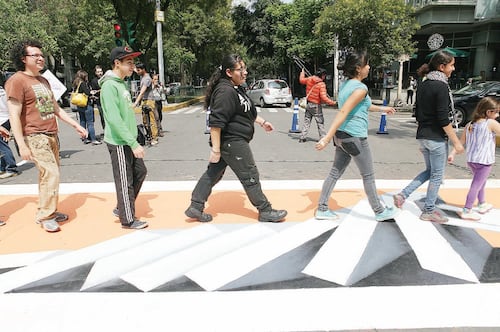
Sidewalks in Mexico City have become significant obstacles to pedestrian mobility, with many broken or impassable, and others cluttered with benches or trees. This situation particularly affects the elderly and disabled.
In response, lawmakers are pushing for reforms to the Mobility Law. The proposed changes would require local authorities to guarantee that sidewalks maintain a continuous, accessible, and obstruction-free pedestrian circulation strip, adhering to technical specifications. Urban furniture, utility poles, and trees must be installed or arranged to avoid blocking these pathways.
The sidewalks constitute the main space intended for pedestrian transit and allow access to homes, shops, schools, hospitals, workplaces, and public transport systems. Their conservation and free use are indispensable to guarantee safe and accessible travel, especially for people with disabilities, older adults, children, and those who perform care activities.
Additionally, a reform to the Civic Culture Law seeks to penalize physical alterations to sidewalks and pedestrian areas. This includes unauthorized excavations, installations, or material deposits, as well as non-compliance with restoration conditions after authorized interventions.
Lawmakers emphasize that sidewalks are essential for accessing homes, businesses, schools, and public transport. Their proper maintenance and unobstructed use are vital for safe and accessible travel, especially for vulnerable populations. Urbanists highlight that the focus should be on functional, safe sidewalks rather than purely aesthetic ones, ensuring people can move without risk of injury or being forced into vehicular lanes.
We don't need pretty sidewalks. We need sidewalks where people don't break their legs, where older people can continue to leave home and where no one has to walk among cars risking being run over.
DistantNews Editorial
Originally published by El Universal in Spanish. Translated, summarized, and contextualized by our editorial team with added local perspective. Read our editorial standards.
More Stories


From Our Blog

What Press Freedom Means for the News You Read

What Gets Lost (and Found) When News Is Translated

The Critical Role of Diaspora Media in Global News

What Travellers Should Know About Countries with Restricted Press

A Digital Nomad's Guide to Following Local News
