

Mexico City Metro Line 2 stations closed due to CNTE protests, causing commuter chaos
Translated from Spanish, summarized and contextualized by DistantNews.
At a glance
News
Sources not specified
Ongoing story
- Six Metro Line 2 stations in Mexico City closed due to protests by the CNTE teachers' union, causing significant delays for commuters.
- Passengers heading to the Historic Center were particularly affected, with some forced to travel several extra stations.
- The closure extended to Hidalgo station on Line 3, further disrupting travel.
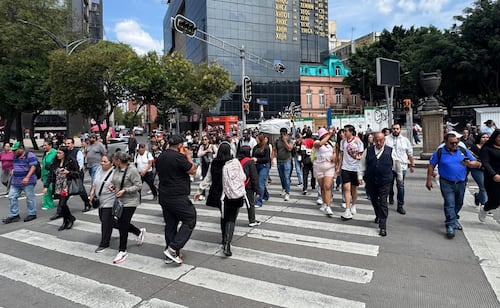
Commuters in Mexico City faced significant travel disruptions as six stations on Metro Line 2 were closed due to ongoing protests by the National Union of Education Workers (CNTE). The closures, which affected stations Allende, Pino Suárez, Chabacano, Zócalo/Tenochtitlan, Bellas Artes, and Hidalgo, prevented passengers from boarding or alighting, causing widespread delays, especially for those traveling towards the Historic Center.
One affected passenger, Julia, described the confusion and frustration. Intending to go to work at Metro Bellas Artes, she found herself traveling several stations past her destination to San Antonio Abad because of the unexpected closure. "No, well, I just heard on the train that the next station has no service, and the next station has no service. What can you do?" she commented, expressing the helplessness many felt.
Some passengers managed to disembark at stations before the closures took effect, hearing announcements about the service interruptions. Others, however, had to continue on their journey and seek alternative routes to reach their destinations. The disruption was compounded when Hidalgo station on Line 3 was also closed around 10:00 AM due to the protests, leaving more travelers stranded or forced to reroute.
The CNTE has been engaged in a strike, and their protests have increasingly impacted public transportation in the capital. The closure of key Metro stations highlights the direct effect of these demonstrations on the daily lives of thousands of city residents.
DistantNews Editorial
Originally published by El Universal in Spanish. Translated, summarized, and contextualized by our editorial team with added local perspective. Read our editorial standards.
More Stories

From Our Blog

What Press Freedom Means for the News You Read

What Gets Lost (and Found) When News Is Translated

The Critical Role of Diaspora Media in Global News

What Travellers Should Know About Countries with Restricted Press

A Digital Nomad's Guide to Following Local News
