


Mexico City trolleybus to debut World Cup routes featuring native wildlife
Translated from Spanish, summarized and contextualized by DistantNews.
At a glance
News
Sources not specified
New plan
- Mexico City's trolleybus system is launching two new routes, "Ruta de los Animales Silvestres de los Pedregales" and "Ruta del Chapulín," ahead of the 2026 World Cup.
- The new routes will connect key areas like CU (University City) with the Mexico City Stadium and Chapultepec Park.
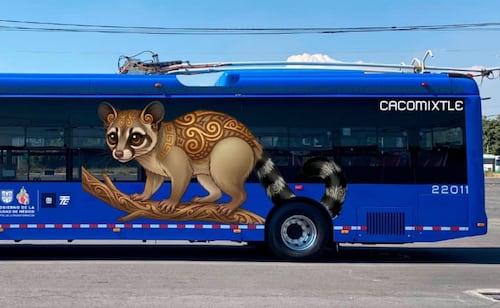
- The trolleybus units will feature decorative designs showcasing native wildlife of the capital, including teporingos, tlacuaches, and cacomixtles.
Mexico City is set to enhance its public transportation network with two new trolleybus routes, timed to coincide with the upcoming 2026 World Cup. These new lines aim to improve mobility for residents and visitors alike.
The first route, designated as Line 14, will be named "Ruta de los Animales Silvestres de los Pedregales." It will connect University City (CU) to the Estadio Ciudad de México. The second route, Line 0 or "Ruta del Chapulín," will link CU with Chapultepec Park.
A unique feature of these new routes is the artistic decoration of the trolleybus units. The vehicles will display images of emblematic native animals from Mexico City. These include the teporingo (a type of rabbit), tlacuache (opossum), and cacomixtle (ringtail cat), among others. The "Ruta del Chapulín" will also feature designs of grasshoppers.
The Line 14 will have various animals; one of them, the tecuiche, which is an animal that is like a lizard endemic to the Pedregales de Santa Úrsula and that the indigenous people take as such. It will have the cacomixtle, the tlacuache, the teporingo.
DistantNews Editorial
Originally published by El Universal in Spanish. Translated, summarized, and contextualized by our editorial team with added local perspective. Read our editorial standards.
More Stories



From Our Blog

What Press Freedom Means for the News You Read

What Gets Lost (and Found) When News Is Translated

The Critical Role of Diaspora Media in Global News

What Travellers Should Know About Countries with Restricted Press

A Digital Nomad's Guide to Following Local News
