


Mexico: DJ Fined for Unauthorized Videos at Ancient Sites
Translated from Spanish, summarized and contextualized by DistantNews.
At a glance
News
Sources not specified
New plan
- The National Institute of Anthropology and History (INAH) fined DJ Miroslav Ü 31,382 pesos for creating promotional videos in Oaxaca's archaeological sites without authorization.
- INAH also ordered the artist to immediately remove images of archaeological monuments from his videos, which were shared on social media.
- The institute warned that failure to comply could lead to a complaint with the Attorney General's Office and coercive collection procedures, as unauthorized use of national heritage is considered damage to public property.
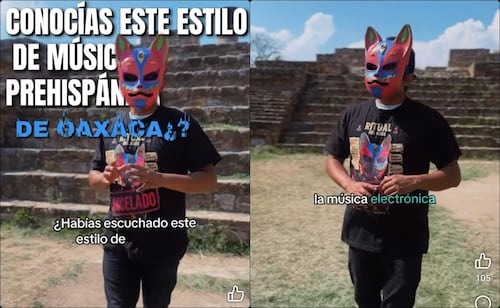
The National Institute of Anthropology and History (INAH) has imposed a fine of 31,382 pesos on DJ Miroslav Ü for producing promotional videos within the archaeological zones of Monte Albán and Mitla in Oaxaca without prior authorization. In addition to the financial penalty, INAH has ordered the artist to promptly remove all images of archaeological monuments from his promotional videos, which were disseminated across his social media platforms.
The institute emphasized that the unauthorized use of national heritage sites constitutes a violation of public property. It clarified that failing to pay the required usage fees deprives the state of legally due income and could be considered a criminal offense of patrimonial damage. INAH warned that non-compliance with these directives would result in a formal complaint to the Attorney General's Office (FGR) and the initiation of coercive collection procedures.
DJ Miroslav Ü created these videos using specialized equipment within the protected zones of Monte Albán and Mitla. The INAH noted that the production was not incidental or strictly personal but a deliberate audiovisual project in a protected archaeological area. As of the latest update, the promotional videos remained accessible on the artist's social media channels.
the lack of payment of rights for the use of a good can be accredited as a crime of patrimonial damage because they are goods owned by the nation, 'so its use without authorization or without covering the corresponding rights is considered an affectation to public heritage, because the State is deprived of income that legally corresponds to it'.
DistantNews Editorial
Originally published by El Universal in Spanish. Translated, summarized, and contextualized by our editorial team with added local perspective. Read our editorial standards.
More Stories



From Our Blog

What Press Freedom Means for the News You Read

What Gets Lost (and Found) When News Is Translated

The Critical Role of Diaspora Media in Global News

What Travellers Should Know About Countries with Restricted Press

A Digital Nomad's Guide to Following Local News
