


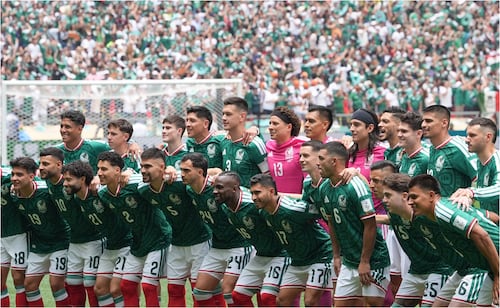
Mexico hosts 1000th World Cup match in historic duel
Translated from Spanish, summarized and contextualized by DistantNews.
At a glance
News
Sources not specified
Context piece
- Mexico will host the 1000th match in World Cup history between Tunisia and Japan in Monterrey.
- The match is significant not only for its historical milestone but also for the passionate fan support expected.
- Mexico has a long-standing relationship with the World Cup, having played in the inaugural match in 1930 and hosted in 1986.
Monterrey, Mexico, is set to host a historic World Cup match between Tunisia and Japan, marking the 1000th game in the tournament's storied history.
The Group Stage duel is described as a "historic duel" and a "celebration," with both nations urgently seeking a win. Beyond the vital group points, the match will be enveloped in an atmosphere of "authentic celebration," as fans are expected to "dye the stands with color and passion," recognizing they will witness an "unrepeatable moment."
Mexico's connection to the World Cup dates back to its origins. The national team played in the inaugural match of the first World Cup on July 13, 1930, in Uruguay, falling 4-1 to France. This marked the beginning of a lasting bond between the country and the global football competition.
Further cementing its historical role, Mexico hosted the tournament in 1986. During that edition, the Estadio Cuauhtémoc in Puebla hosted the 400th World Cup match, an intense Round of 16 clash between Argentina and Uruguay, which Argentina won 1-0. This event is remembered as one of the most significant chapters of that tournament.
With these precedents, Mexico once again finds itself at the center of FIFA's history, this time as the host of a match already guaranteed a place in the annals of world football before the first whistle. The game is poised to unite cultures, emotions, and the global spirit that defines the World Cup.
DistantNews Editorial
Originally published by El Universal in Spanish. Translated, summarized, and contextualized by our editorial team with added local perspective. Read our editorial standards.
More Stories


From Our Blog

What Press Freedom Means for the News You Read

What Gets Lost (and Found) When News Is Translated

The Critical Role of Diaspora Media in Global News

What Travellers Should Know About Countries with Restricted Press

A Digital Nomad's Guide to Following Local News
