

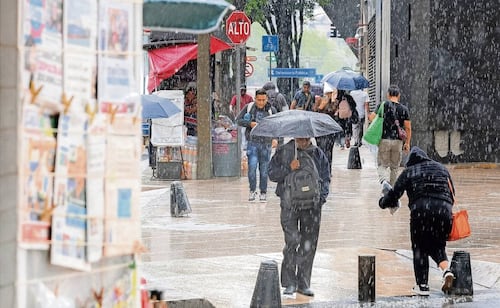

Mexico's 2026 heatwave: When the 'canícula' arrives, myths, and forecasts
Translated from Spanish, summarized and contextualized by DistantNews.
At a glance
News
Sources not specified
Context piece
- Mexico is anticipating the 'canícula,' a period of intense heat and reduced rainfall, typically occurring between July and August.
- This year's canícula might be influenced by the lingering effects of the 'El Niño' phenomenon, potentially leading to less precipitation and higher temperatures.
- While traditionally thought to last 40 days, the canícula's duration varies, affecting central and southern regions of Mexico most severely.
Mexico is preparing for the 'canícula,' an annual period characterized by dry, hot weather and diminished rainfall, which usually occurs mid-way through the rainy season, between July and August. This phenomenon is marked by rising temperatures, clear skies, and increased solar radiation.
This year, the canícula's behavior could be altered by the ongoing 'El Niño' phenomenon, which is expected to persist until spring 2027. According to forecasts, El Niño might affect tropical systems and temperatures, potentially resulting in lower rainfall and hotter conditions during the canícula and into the autumn.
While the exact start date is not fixed, it typically begins in the second week of July, following the summer solstice on June 21. The canícula's intensity and duration can vary; although commonly believed to last 40 days, this is not always the case. Historically, regions like Veracruz, Tabasco, Tamaulipas, Nuevo León, San Luis Potosí, Colima, Michoacán, Guerrero, Oaxaca, and Chiapas experience the most significant effects, with temperatures potentially exceeding 37 degrees Celsius.
Conversely, states such as Zacatecas, Aguascalientes, Coahuila, Querétaro, and Mexico City are less directly impacted. The name 'canícula' originates from the constellation Canis Major (Greater Dog), or 'Canícula' to the Romans, linked to the star Sirius, believed in ancient times to contribute to the summer heat.
DistantNews Editorial
Originally published by El Universal in Spanish. Translated, summarized, and contextualized by our editorial team with added local perspective. Read our editorial standards.
More Stories
From Our Blog

What Press Freedom Means for the News You Read

What Gets Lost (and Found) When News Is Translated

The Critical Role of Diaspora Media in Global News

What Travellers Should Know About Countries with Restricted Press

A Digital Nomad's Guide to Following Local News
