


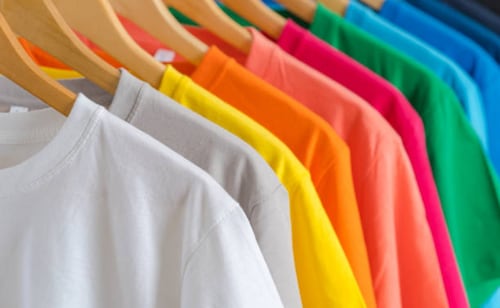
Mexico's Profepa launches campaign to give used clothes a second life
Translated from Spanish, summarized and contextualized by DistantNews.
At a glance
News
Sources not specified
New plan
- Profepa launched the "Gol por el Ambiente" campaign to give textiles a second life and prevent them from ending up in landfills or polluting waterways.
- The initiative has 333 collection centers across 27 Mexican states, located in universities, hotels, airports, and retail stores, with participation from commercial chains like Walmart and C&A.
- The campaign aims to recover nearly 20,000 kilograms of used textiles, transforming them into new fibers for clothing, reusable bags, carpets, and insulation materials.
Mexico's Federal Attorney for Environmental Protection (Profepa) has launched the "Gol por el Ambiente" campaign, aiming to divert used textiles from landfills and waterways. The initiative encourages citizens to donate unwanted clothing and fabrics to one of 333 collection centers spread across 27 states.
These collection points are strategically located in public spaces such as universities, hotels, airports, department stores, and offices. The program seeks to give these textiles a "second life," preventing them from becoming environmental pollutants. Major commercial chains like Walmart Mexico and C&A have joined the effort, alongside various municipalities and civil organizations.
Profepa anticipates recovering approximately 19,942 kilograms of used textiles through this campaign. The collected materials can be transformed into new clothing fibers, reusable bags, carpets, furniture stuffing, and construction insulation. The agency urges public participation, stating that each donated item contributes to reducing waste and protecting biodiversity. A directory of collection points and their respective deadlines for material drop-off is available online.
Each bottle, container, or garment delivered represents an opportunity to reduce waste, protect biodiversity, and score a Goal for the Environment.
DistantNews Editorial
Originally published by El Universal in Spanish. Translated, summarized, and contextualized by our editorial team with added local perspective. Read our editorial standards.
More Stories
From Our Blog

What Press Freedom Means for the News You Read

What Gets Lost (and Found) When News Is Translated

The Critical Role of Diaspora Media in Global News

What Travellers Should Know About Countries with Restricted Press

A Digital Nomad's Guide to Following Local News
